Garden Ideas 2026: 10 Stunning Backyard Transformations That Actually Work
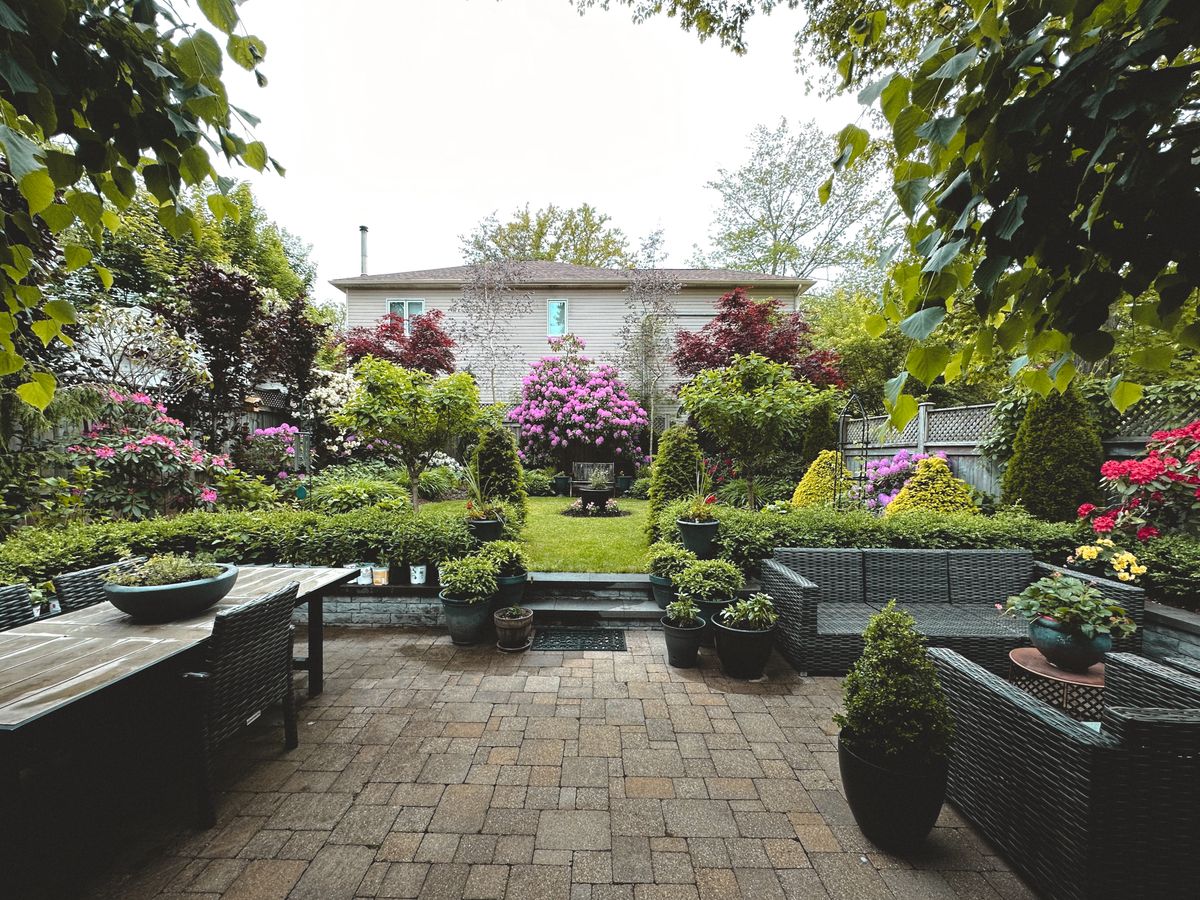
Every spring, the same thing happens. You step outside, look at your yard, and feel that particular ache — not quite guilt, not quite longing — that comes from knowing it could be something, and it isn’t yet.
Maybe it’s a scraggly lawn that never quite recovered from last summer. Maybe it’s a patio that’s technically fine but somehow never inviting. Maybe it’s just a lot of empty potential, standing there quietly judging you every time you glance out the window.
This is the year you do something about it. Because the garden ideas 2026 has produced are genuinely different — less about performance and more about actually living in your outdoor space. Here’s what’s working, what’s worth spending money on, and how to start without losing your mind.
Why 2026 Is the Year Your Outdoor Space Gets Interesting
Something shifted. For years, gardens were treated as a seasonal afterthought — something you addressed in April, ignored by July, and quietly resented by October. That era is ending.
According to Sunset Magazine’s 2026 garden trend report, the defining shift this year is a move toward outdoor spaces designed for genuine living — not just curb appeal or weekend watering. Patios are becoming second living rooms. Compact gardens are being planned like architectural interiors. Wellness features that used to feel like luxury are now showing up in regular backyards across the country.
Climate awareness has changed what people plant and how. And a deeper exhaustion with indoor-only living has made outdoor spaces feel genuinely urgent rather than optional.
The result: garden ideas 2026 looks like a category that’s finally taking itself seriously.
- Outdoor living budgets are up year-over-year, according to LivingEtc’s garden design survey
- Container gardening is seeing its biggest spike in interest from homeowners 35 and older — people who want beauty without full-scale landscaping commitment
- Wellness-integrated outdoor features (outdoor showers, shade structures, meditation corners) are no longer niche — they’re on mainstream wishlist surveys
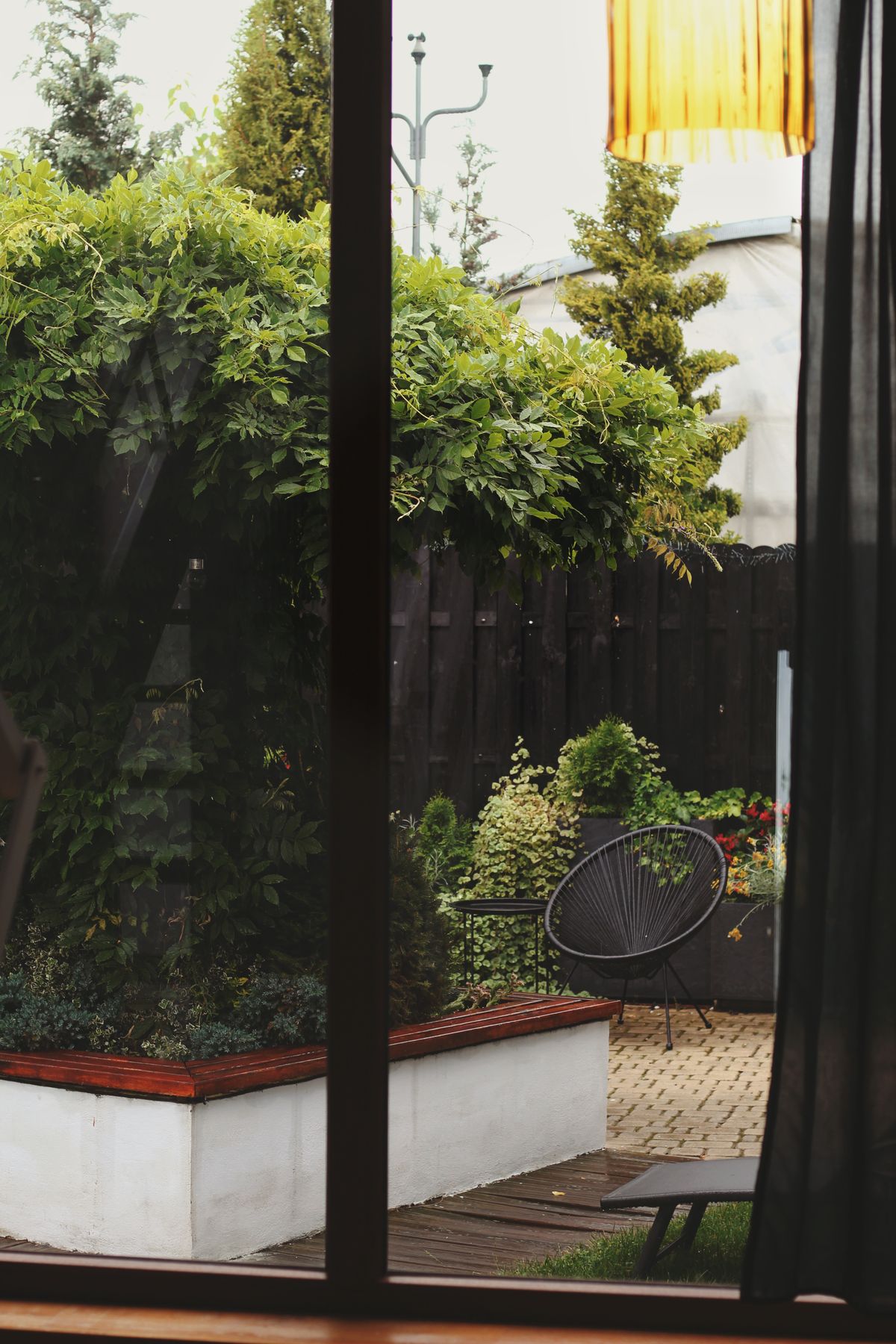
10 Garden Ideas That Are Transforming Backyards Right Now
These aren’t abstract concepts from a mood board. These are the actual garden ideas 2026 homeowners and designers are executing — and returning to the internet to report actually worked.
- Wellness Corners A dedicated outdoor zone for mental restoration. Curved pathways leading somewhere quiet, layered planting for sensory texture, a single comfortable seat. According to LivingEtc, landscape designers are calling these “restorative anchors.” They don’t need to be large. They need to feel intentional.
- Natural Stone Patios Travertine, limestone, and richly veined marble are replacing tired composite decking. These materials age beautifully, handle weather honestly, and give outdoor spaces an architectural weight that resin furniture simply cannot.
- Kusumi Color Planting Dusty, muted tones in the garden: ash pinks, powdery lavender, soft blue-grey foliage. The palette reads as sophisticated outdoors the same way it reads on a living room wall. Ornamental grasses, salvia, and dusty miller all play into this effortlessly.
- Multi-Sensory Lighting Solar and low-voltage LED lighting layered at different heights — path lights, uplights in tree canopies, soft warm string lights over a seating area. The goal is atmosphere after dark, not a floodlit backyard that looks like a car park.
- Botanical Bento Gardens Small, defined outdoor zones divided into purposeful rooms: one for dining, one for planting, one just for sitting. Borrowed from Japanese bento design logic. Works in tiny spaces and makes large gardens feel navigable.
- Ornamental Brassicas (Cabbage Crush) Decorative cabbages, kale, and flowering brassicas in containers and raised beds. Edible and beautiful simultaneously. A 2026 answer to the question: what do you plant that looks deliberate and keeps paying back?
- Smart Irrigation Soil sensors and app-connected drip systems that water based on actual moisture data, not a timer. Less water waste, less guesswork, and notably better plant survival rates through heat spikes.
- Defined Borders and Hedges Structural planting along property lines using fire-wise natives, pollinator-friendly shrubs, or edible hedges like rosemary and blueberry. Privacy that earns its place ecologically.
- Pet-Integrated Design Shade structures that double as design features. Ground covers that can handle paws (buffalo grass, creeping thyme). Container groupings that mark boundaries without being restrictive. Beautiful gardens that also work for the dog.
- Rare Indoor Plants Moved Outdoors in Summer Sculptural specimens — variegated philodendrons, oversized bird of paradise, unusual cacti — spending warm months in shaded outdoor spots. The visual impact is enormous and, as plant expert Paris Lalicata notes, these are surprisingly low maintenance once established.
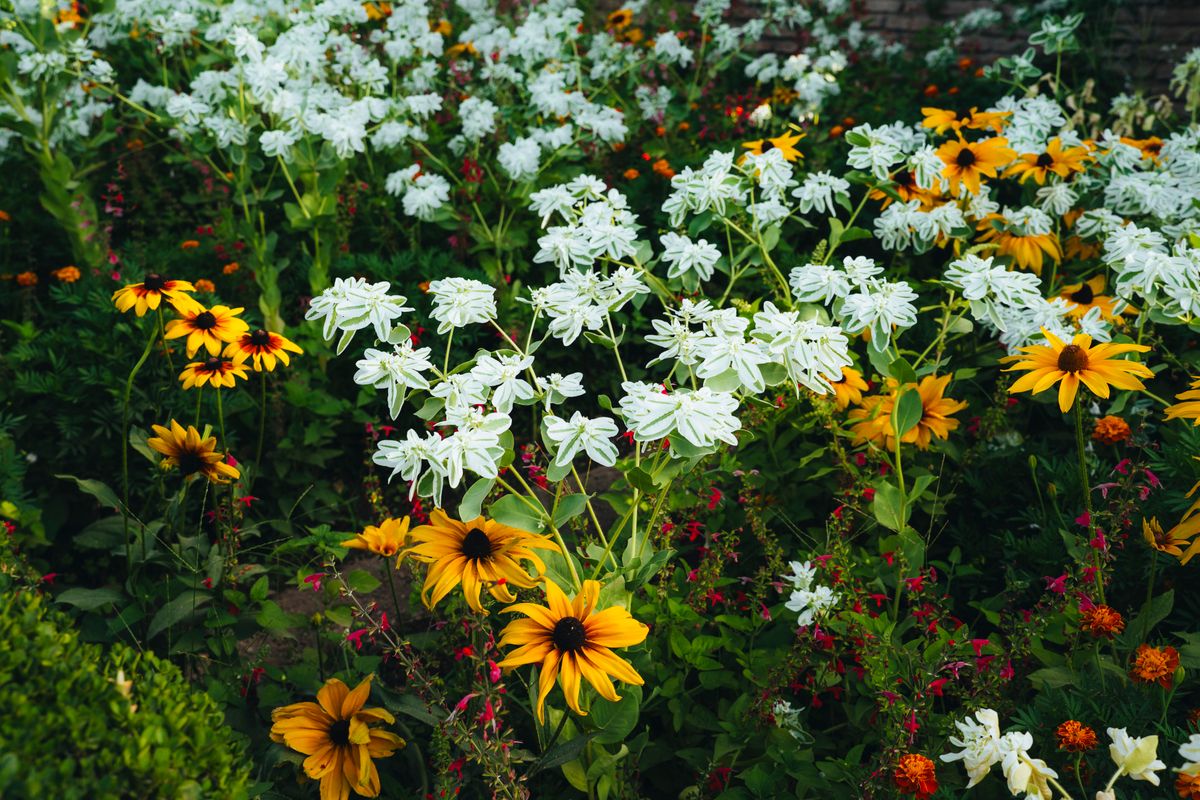
Small Space? The Botanical Bento Method Changes Everything
The biggest excuse people make about garden ideas is that their space is too small to bother. This is, respectfully, wrong — and the botanical bento concept is the reason to stop saying it.
The principle is simple: instead of treating your garden as one undivided area that needs to do everything at once, you divide it into distinct zones, each with one clear purpose. A small balcony becomes three things — a herb corner, a dining spot, a place with one oversized plant that functions like sculpture.
Here’s how to execute it regardless of size:
Define your zones first, plant second
Sketch the space before you buy anything. Decide: where do you want to sit? Where do you want color? Where do you want quiet? The worst gardens happen when people buy plants they love and then figure out where to put them. Do it backwards.
Use height strategically
A small garden that goes vertical immediately feels larger and more designed. Climbing plants on a simple trellis, a tall ornamental grass anchoring one corner, a raised planting bed adding a level. Height is a space-maker.
Choose a palette and commit to it
The Kusumi palette — muted, dusty, romantic — works especially well in small garden spaces because it reads cohesively even when plants are densely layered. Pick two or three tones and repeat them across pots, planting, and even outdoor textiles.
One hero plant per zone
Every defined area needs one plant that anchors it visually. A standard rose. A clipped box sphere. A tall, sculptural agave. Everything else is supporting cast. This is what makes a small garden look curated rather than random.
The Plants, Materials and Smart Tools Worth Knowing
Good garden ideas live or die in execution. A beautiful concept implemented with the wrong plants or a patio material that degrades in two seasons is still a disappointment. Here’s what’s actually holding up in 2026.
Plants worth planting this year
- Salvia nemorosa — Pollinator magnet, drought-tolerant, returns every year. In the Kusumi palette it’s essential.
- Ornamental grasses (Panicum, Stipa) — Movement, texture, and they’re nearly unkillable. They also hold structure in winter when everything else has gone.
- Creeping thyme — Ground cover that handles foot traffic, smells extraordinary in heat, and flowers in a soft mauve that works with almost everything.
- Ornamental cabbage and kale — For the Cabbage Crush trend. Use them in containers for an autumn-to-spring display that genuinely surprises people.
- Echinacea (coneflower) — Native, pollinator-friendly, and one of the easiest things to grow from seed. The 2026 varieties come in everything from deep wine to peachy coral.
Materials that age with integrity
- Travertine or limestone paving — Higher upfront cost. Significantly lower replacement rate. Develops character rather than degrading.
- Corten steel edging — The rust-red patina is intentional and weathers beautifully. Keeps lawn edges sharp and defines beds without rotting the way timber does.
- Gravel (fine granite or crushed limestone) — Permeable, low maintenance, and provides excellent contrast against green planting. Pairs perfectly with a structured garden layout.
Smart tools worth the investment
- Rachio smart irrigation controller — Adjusts watering schedules based on local weather forecasts and soil data. Pays for itself in one hot summer.
- Gardena soil moisture sensor — Tells you exactly when to water. Eliminates the guesswork that kills more plants than anything.
- Hori hori garden knife — Not smart, not tech. Just the single most useful hand tool in any garden, and nobody who has one ever goes back to a trowel.
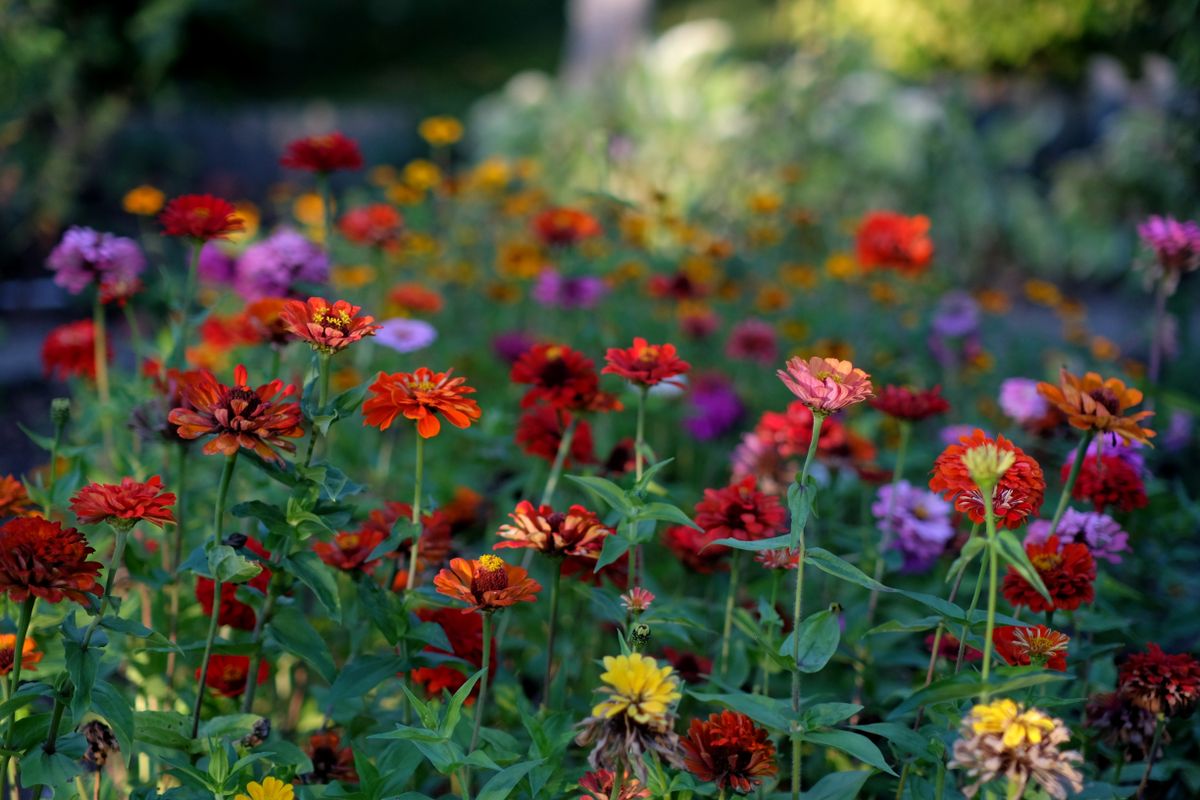
How to Actually Start Without Feeling Overwhelmed
Here’s the real reason people don’t act on garden ideas: not budget, not time, not skill. It’s the paralyzing feeling that if you can’t do the whole thing perfectly, there’s no point starting at all.
There is. Here’s how to move without that feeling stopping you.
- Start with one zone, not the whole garden. Pick the area you look at most from inside the house. Fix that. Everything else follows later.
- Buy one statement plant first. A single oversized container with one dramatically beautiful plant — a standard rose, a large ornamental grass, a lemon tree — immediately makes a space feel intentional. It is the fastest possible visual return.
- Deal with the hard surface before the planting. Weedy, uneven paving makes everything else look worse. One afternoon of clearing and re-leveling a small area costs very little and transforms what’s possible.
- Set a budget per zone, not a total garden budget. “I’m spending £200 on the patio corner this month” is achievable. “I’m redoing the whole garden” is a project that never starts.
- Photograph it at the same time of day every week. Progress is invisible until you have evidence. This one habit makes you continue when the middle-of-project chaos makes everything look worse before it looks better.
For more home improvement ideas that don’t require a complete overhaul, visit the Home section on Can We Talks — there’s plenty there on making a space feel intentional without a full renovation budget.
The Last Word on Outdoor Spaces Worth Staying In
Remember that ache from the beginning? The one that happens every spring when you look at your garden and feel the weight of what it could be?
That feeling isn’t guilt. It’s recognition. Your instinct that a beautiful outdoor space is worth having — worth spending time and thought on — is correct. It has always been correct.
The garden ideas 2026 has produced are kinder than previous years. More about genuinely living outside than performing a perfect garden for an audience. Less manicured, more layered. Less impressive, more livable.
Pick one thing from this list. The smallest one. Do it this weekend.
The version of you who drinks coffee outside on a Tuesday morning in a garden that actually feels like yours — she’s closer than you think.