Ombre Wigs 2026: 14 Stunning Color Combinations Worth Wearing This Year
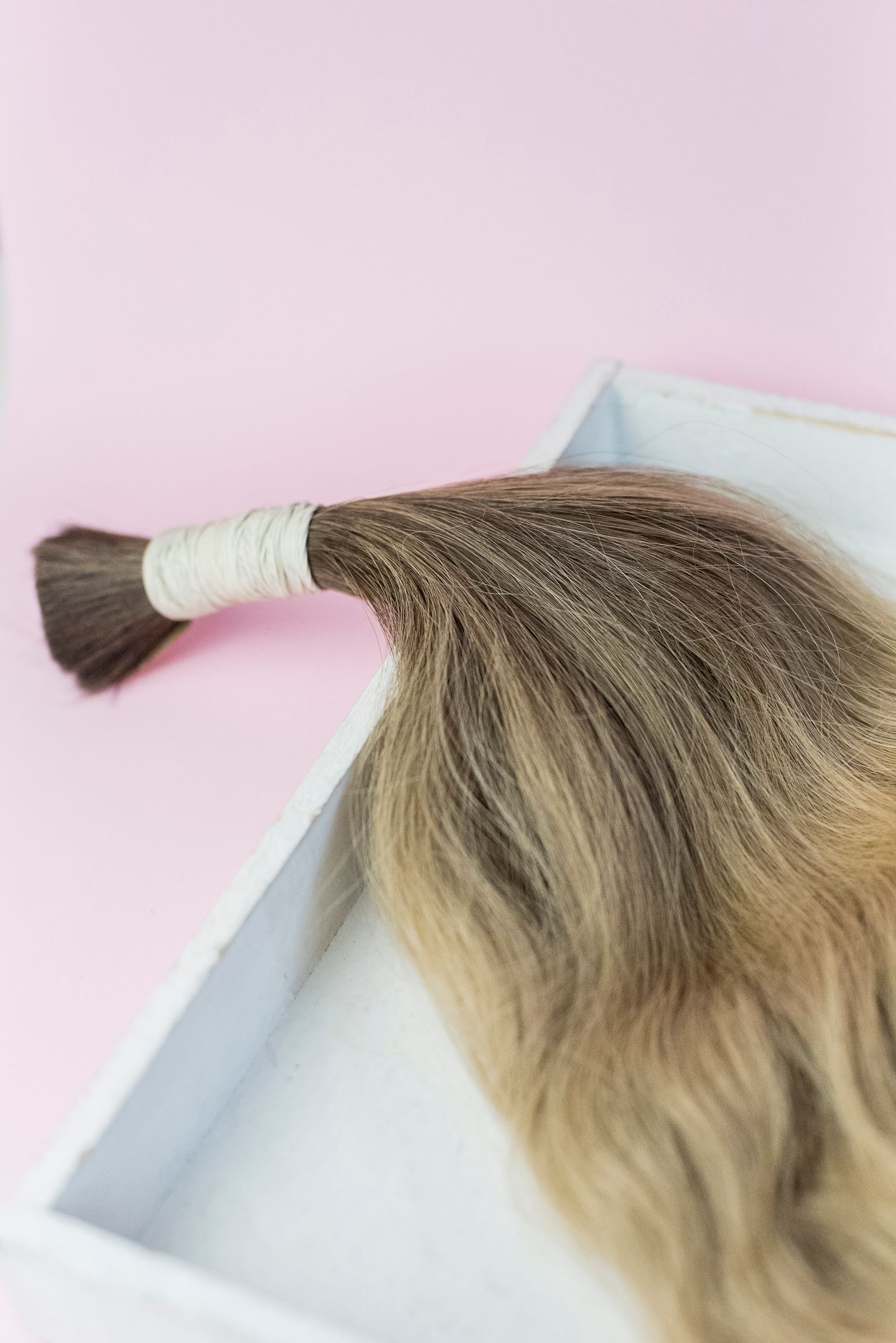
There are hair decisions you make once and live with for months, and there are hair decisions you can reverse on a Tuesday evening when you get home from work. Ombre wigs are definitively the second category — which is exactly why they’ve become the most interesting thing happening in hair right now.
Ombre wigs in 2026 have moved well past the high-contrast dark-root-to-bleach-blonde that announced itself from across the room. This year’s combinations are more nuanced, more skin-tone aware, and more technically sophisticated — balayage transitions, shadow roots, reverse ombre, and color placements that look like they came out of a very good salon rather than off a shelf. The effect is a transformative hair moment with none of the commitment and none of the damage.
Here are 14 ombre wig color combinations that are worth picking up this year, plus exactly how to choose the right one for you.
Why Ombre Wigs Are the Smart Hair Move in 2026
Ombre wigs give you access to the most technically complex color effect in hair without booking four sessions, bleaching your natural hair, or growing out a color you’re not sure about for eight months. That is not a small thing.
According to Honest Hair Factory’s 2026 wig trend guide, the dominant wig color directions this year are silver-brown ombre, caramel brown, pastel ash blonde, and vivid tip accents — all designed to work naturally across different complexions. The 2026 shift is toward lower contrast and more sophisticated blending: “less of that bright blond tip-out, more of ends that are only two or three shades lighter than the root.”
The other reason ombre wigs make particular sense right now:
- Premium human hair ombre wigs now blend so naturally at the transition point that the color shift reads as something you grew rather than something you bought
- The technique range has expanded — shadow roots, reverse ombre, and face-framing color placement are all available in wig form, not just in salons
- They work as protective styles, giving natural hair a full rest while you wear something dramatically different on top
14 Ombre Wig Color Combinations Worth Wearing This Year
These are the combinations earning the most attention in 2026 — ordered from the most wearable and versatile to the most color-committed.
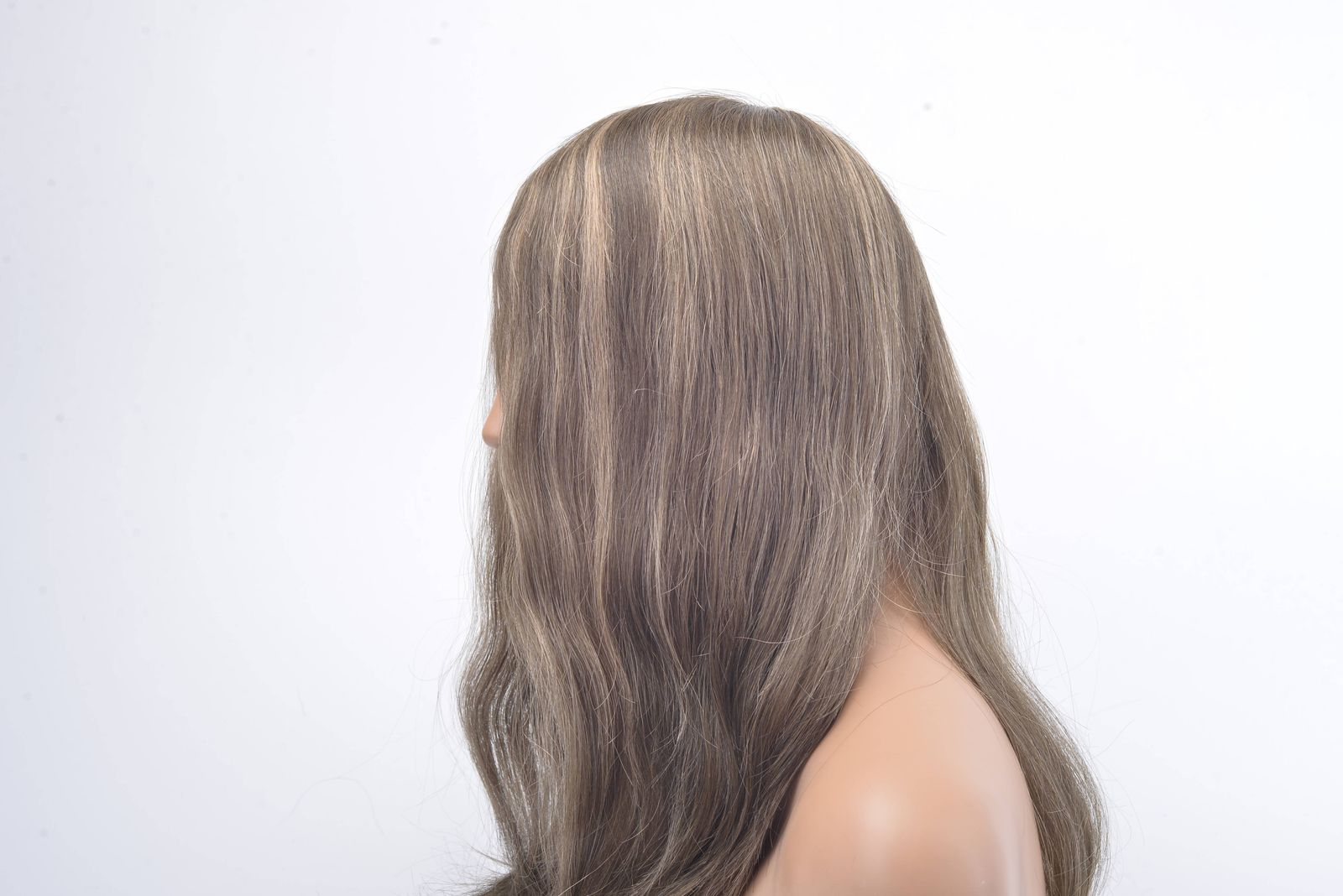
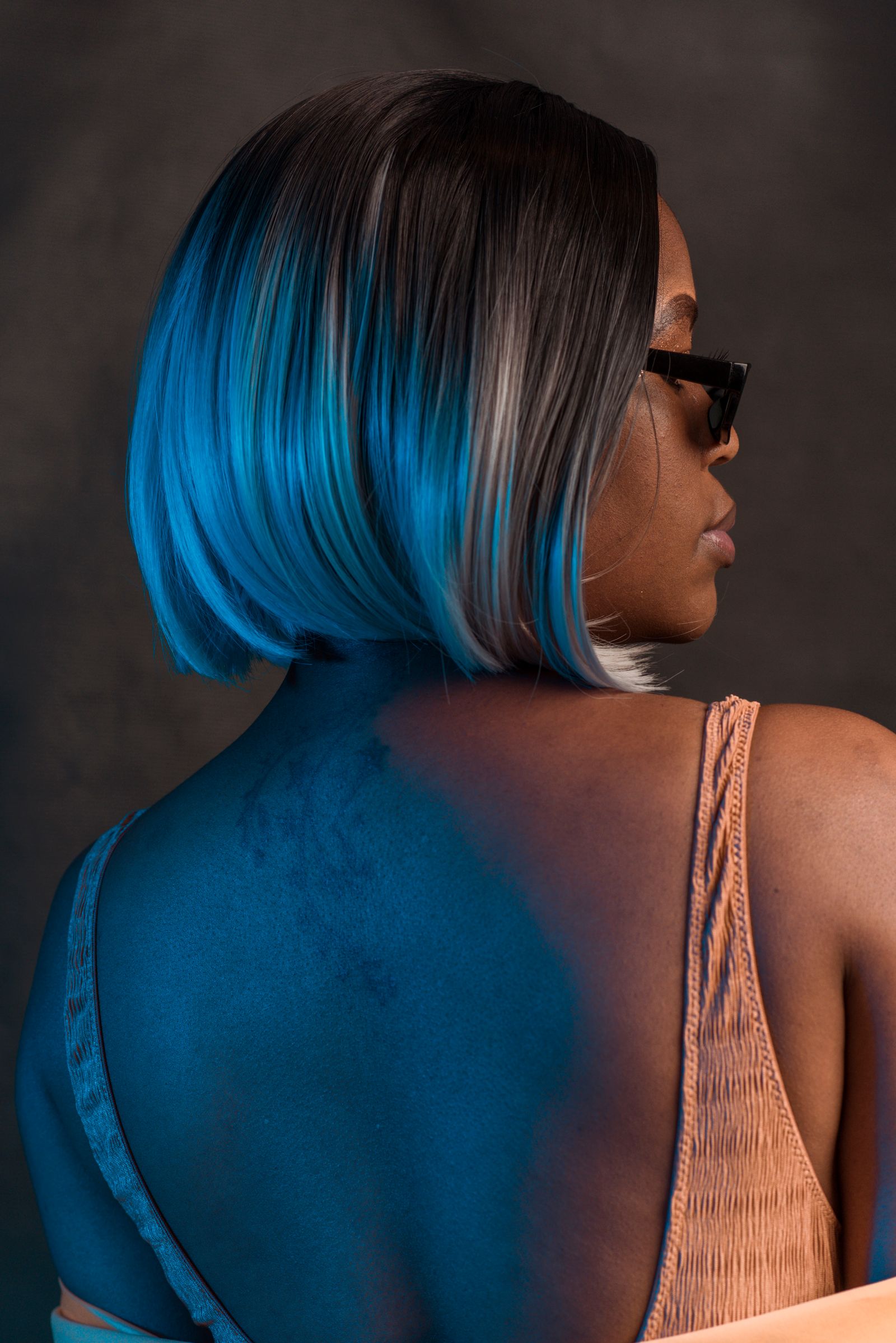
- Silver-Brown Ombre Deep brunette roots bleeding into silver or platinum ends. According to YWigs’ 2026 brown ombre guide, silver-brown is the year’s standout combination — “the perfect fusion of natural and futuristic, where the deep brown roots add warmth and realism while the silvery fade gives a luxury, high-tech vibe.” Flattering across almost every complexion and reads as intentional rather than grown-out.
- Caramel to Honey Blonde Warm caramel brown at the root melting gradually into honey blonde ends. The most universally flattering ombre combination in 2026 — mimics what the sun does to hair and works on fair, medium, and olive skin without effort. The transition is soft enough that it reads as a natural grow-out rather than a two-tone dye job.
- Root-Burst Milky Platinum A deliberately smoked, slightly darker root — not a natural-growth root, but a soft shadow root — blending into milky, pale platinum ends. The root burst prevents the all-over platinum from reading as bleach damage. It frames the face and gives the overall look structure that pure platinum lacks.
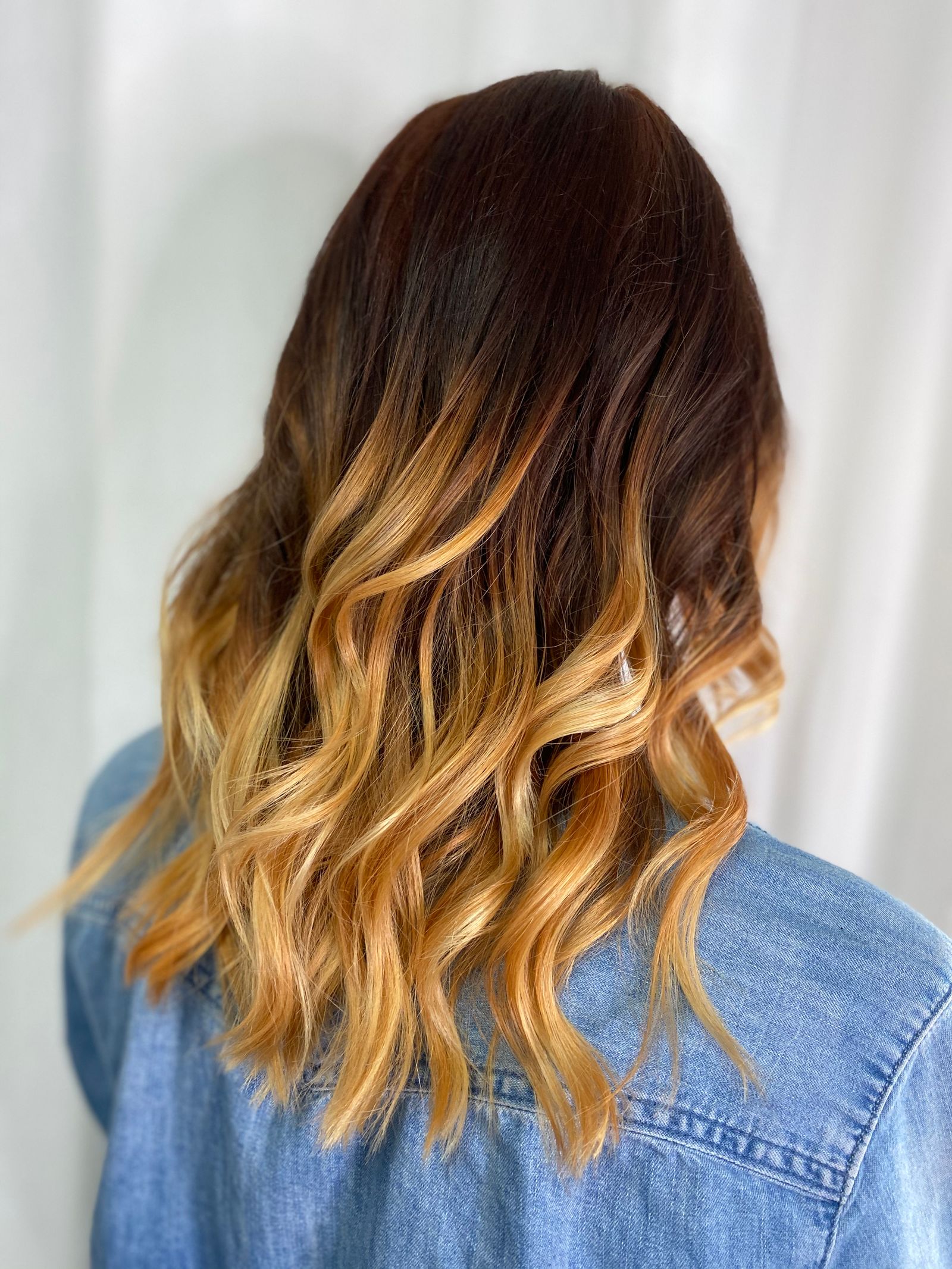
- Chocolate to Auburn Rich, deep chocolate brown at the root warming gradually into auburn or copper-red ends. This is the combination for anyone who wants color drama without going anywhere near blonde. The warm end tones work particularly well on medium and deep complexions, adding warmth and visual depth simultaneously.
- Classic Balayage Ombre Hand-painted color variation from root to tip that creates the most natural-looking ombre effect available. In wig form, this means lighter panels placed specifically around the face and at the ends, with the color fading in irregular, organic bands rather than a clean line across the hair. The result is salon-quality without the salon.
-
- Reverse Ombre Lighter roots deepening into dramatically darker ends — the complete inversion of the standard gradient. Usually platinum or pale blonde at the crown fading into deep brown or black at the tips. This combination is the high-fashion pick: directional, unexpected, and substantially more interesting than its better-known counterpart.
- Pastel Ash Blonde Ombre Cool ashy blonde as the base tone fading at the ends into the softest version of a pastel — barely-there lavender, the palest rose, or a cool cream-white. This works best on fair to light skin tones and reads as effortlessly editorial. It’s the combination that looks like it required more technical skill than it did.
- Black to Deep Burgundy Jet or deep brown roots transitioning into a rich, wine-dark burgundy at the ends. This is the gothic-chic pick — dramatic, intentional, and seasonless in a way that most other color combinations aren’t. The depth of both colors means the transition reads as luxurious rather than jarring.
- Mahogany to Copper Deep reddish-brown roots warming into bright copper or burnt orange ends. For anyone whose natural coloring leans warm — warm complexions, golden undertones — this combination amplifies rather than fights. The progression from deeper to lighter within the same warm family makes the entire look feel cohesive.
-
- Platinum to Pearl White Pale platinum fading into an almost-white pearl at the ends. The barely-there, almost-bridal version of a color ombre — the distinction between root and end is subtle, but it gives the hair movement and dimension that all-one-color platinum does not. Best for very fair skin and for occasions where the hair should be beautiful rather than bold.
- Dark Brown to Toffee Warm dark brown at the root transitioning into toffee or light caramel at the ends. This is the ombre for first-timers — natural enough to pass as sun-kissed grow-out, interesting enough to feel like a deliberate choice. Low-maintenance, low-contrast, and flattering on nearly every skin tone.
- Black to Navy Blue Jet-black roots shifting into a deep, almost-hidden navy at the ends. In most light the navy reads as very dark blue; in direct sun or under certain artificial lighting it reveals itself fully. The subtlety is the point — this is the ombre for people who want their hair to have a secret.
-
- Brunette to Rose Gold Natural to medium brown roots warming into rose gold or dusty pink-copper at the ends. The warm pink tone against a natural brown base avoids the artificial quality that full rose gold can have, while still delivering color impact at the ends where it registers most. This is the combination that photographs exceptionally well.
- Magenta Tip Ombre Natural or dark brown roots transitioning sharply into vivid magenta at the ends. The color-confident pick — no ambiguity about what this is or what it’s doing. The contrast between a natural root and a saturated tip creates the kind of look that stops a conversation. Best for anyone who has already been doing color and is ready to go further.
How to Choose the Right Ombre for Your Skin Tone
The same ombre combination reads entirely differently depending on what complexion is underneath it. Warm tones amplify warm skin; cool tones bring out cool undertones. Here’s the short version:
Warm tones amplify warm skin. Cool tones bring out cool undertones. Match the temperature first, the color second.
Fair and light skin tones
Caramel to honey, platinum to pearl, pastel ash blonde, and brunette to rose gold all work with the undertone rather than against it. Avoid heavy contrast combinations — the high-contrast dark-to-light reads as harsh against very pale skin. Go for transitions that are in the same tonal family as your natural coloring.
Medium and olive skin tones
Silver-brown, chocolate to auburn, mahogany to copper, and dark brown to toffee all complement the warmth in medium and olive complexions. The warm end tones in these combinations pick up the natural warmth of olive skin and amplify it. Caramel-family combinations are also reliably flattering here.
Deep and dark skin tones
Black to burgundy, black to navy, silver-brown, magenta tip, and reverse ombre with a vibrant end color all photograph and wear exceptionally well on deeper complexions. The contrast between a natural dark root and a dramatically different end — whether warm, cool, or vivid — reads as intentional and high-impact. The silver-brown combination is particularly striking, as the silver at the ends creates brilliant contrast against deeper roots.
How to Style and Care for Your Ombre Wig
The ombre transition point — where the color shifts — is the most structurally sensitive part of any colored wig. Maintaining it means the color stays blended rather than developing a visible line over time.
- Use sulfate-free shampoo. Sulfates strip color faster than anything else in a wig care routine. For human hair ombre wigs especially, a sulfate-free formula preserves the color at the ends — the lightest, most processed part of the wig — and extends the life of the gradient.
- Condition from mid-length to ends only. The ends of an ombre wig are almost always the most treated and most fragile section. Deep-condition them weekly with a moisture-heavy treatment, and avoid applying conditioner to the roots where product buildup affects how the wig sits on the cap.
- Detangle gently from ends upward. Start at the tips and work toward the root. Doing this in reverse tears through knots and damages the ends — the colored section — disproportionately.
- Store on a wig stand. Folded or stuffed storage creates creases and tangles in the wig’s structure that are especially visible in the gradient section. A stand keeps the shape, the color, and the transition point looking intentional.
- Match heat tools to wig type. Synthetic ombre wigs require heat-free styling — high temperatures melt the fibers, permanently distorting both the style and the color gradient. Human hair ombre wigs tolerate low to medium heat; use a heat protectant spray before any tool touches the colored sections.
For more beauty ideas that complement a great wig — everything from nail colors that work with your hair to ways to wear a headscarf — the Beauty section on Can We Talks covers it all, including colorful nail designs for 2026 and bandana hairstyle ideas for the days when you want to accessorise rather than style.
The Last Word on Commitment-Free Hair Changes That Actually Work
The best argument for an ombre wig isn’t the color — it’s the freedom. You can be a silver-brown brunette this month, a caramel blonde next month, and back to something close to your natural color the month after. No damage. No waiting for a grow-out. No booking an appointment six weeks in advance to reverse a decision you made on a Friday night.
That’s not a small quality of life improvement. That’s a completely different relationship with your own appearance.
Pick the combination that makes you do a second look in the mirror. Start there.
Real Talk. Delivered. XOXO