Asian Pasta Dishes: 10 Bold, Slurpable Recipes That Beat Takeout Every Time
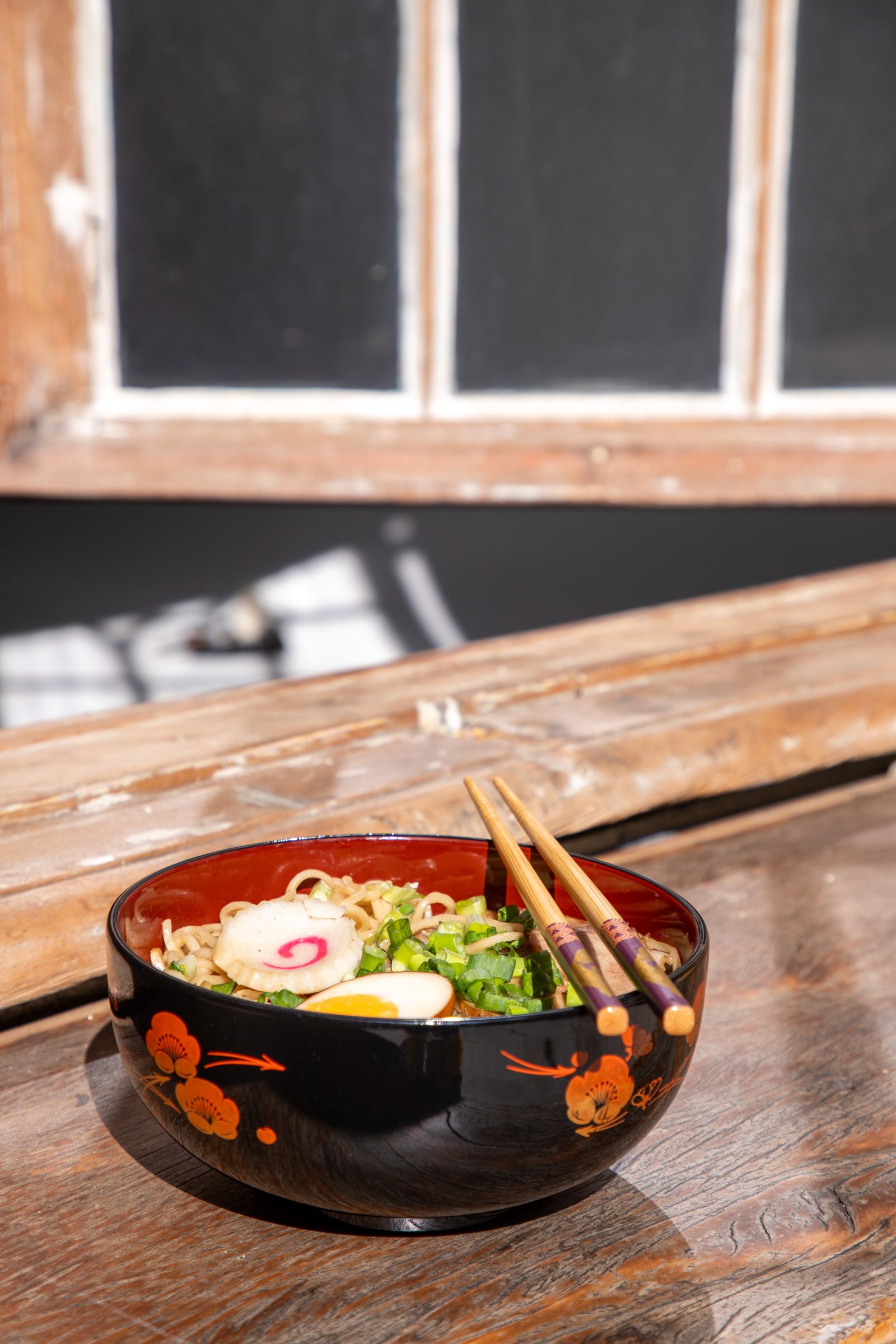
There’s a specific kind of satisfaction that comes from a noodle dish that gets the sauce exactly right — glossy, deeply savory, coating every strand so the first bite tastes like the last one. The kind of thing you eat faster than you intended and immediately want more of.
Asian pasta dishes do this better than almost anything else in the weeknight dinner category. They’re fast — most of these are on the table in under thirty minutes — they use pantry ingredients that last, and they have a complexity of flavor that takes Western pasta twice the time and twice the ingredients to approach.
Here are 10 Asian pasta dishes worth adding to your permanent rotation, from a ten-minute garlic noodle situation to a creamy gochujang pasta that makes you question why you ever ordered delivery.
Why Asian Pasta Dishes Belong in Your Weekly Rotation
The gap between a homemade Asian noodle dish and its restaurant equivalent is smaller than almost any other cuisine. The technique is rarely complex — stir-fry hot and fast, build the sauce while the noodles cook, combine and serve. The skill is in the pantry.
According to Choosing Chia’s Asian garlic noodle guide, a properly built Asian noodle sauce achieves “salty, savoury, sweet and just a tad spicy” in under fifteen minutes using ingredients you already have — soy sauce, sesame oil, garlic, and a touch of sugar or oyster sauce. These flavor pillars apply across every cuisine in the region, which is why the same pantry handles Japanese, Korean, Thai, and Chinese dishes without requiring a full restocking trip.
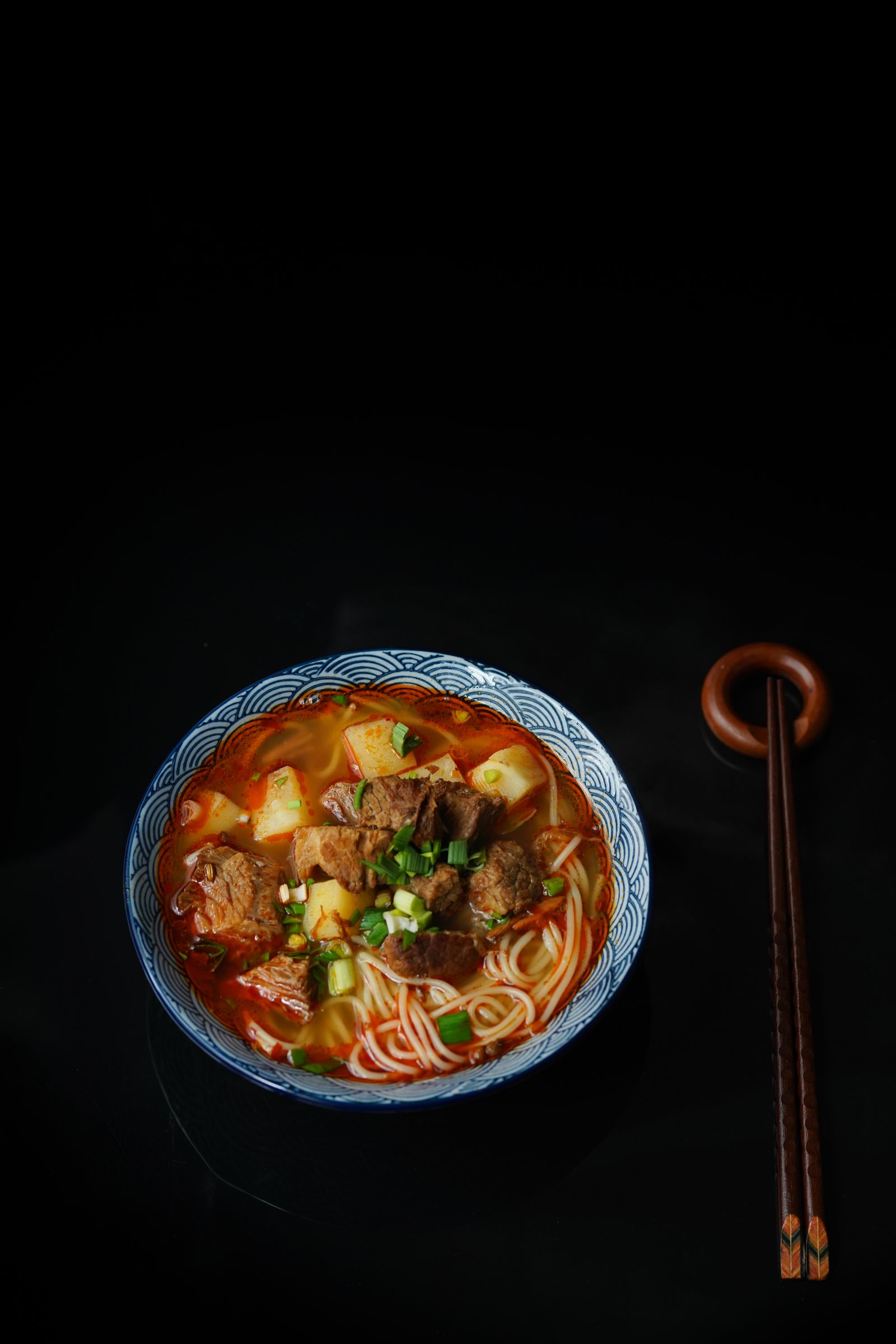
- Most Asian pasta dishes are ready in 10–30 minutes — faster than delivery, fresher than reheated
- Noodle dishes reheat well in a hot pan with a splash of water or stock — better than most pasta dishes
- Versatile for protein: tofu, chicken, beef, prawns, or purely vegetable versions all work within the same sauce framework
10 Asian Pasta Dishes Worth Making This Week
These are the Asian pasta dishes earning consistent return visits — quick to build, deeply satisfying, and confident enough in their flavors that no one reaches for takeout while eating them.
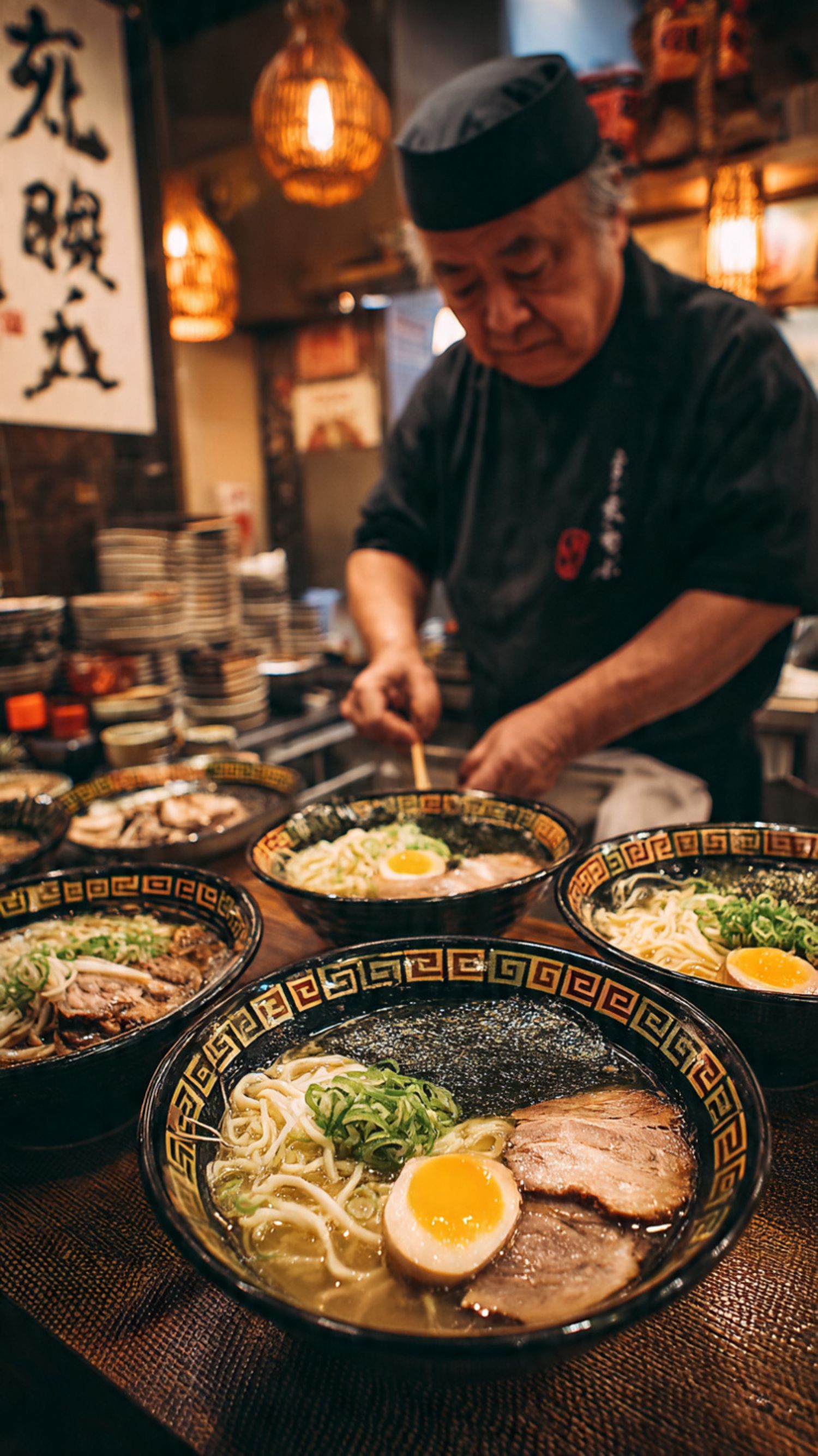
- 15-Minute Garlic Noodles Cook ramen or spaghetti. While draining, melt 3 tbsp butter in the same pan over medium heat, add 6 cloves of minced garlic, cook for 2 minutes until golden. Add 2 tbsp oyster sauce + 1 tbsp soy sauce + 1 tsp sesame oil + 1 tsp sugar. Toss noodles in the sauce. Top with spring onion and sesame seeds. This is the noodle dish that makes people ask if you ordered from somewhere. Ready in fifteen minutes with pantry staples.
- Creamy Gochujang Pasta The Korean-Italian fusion that earned its own TikTok category. Cook spaghetti or linguine. Sauté 1 tbsp gochujang paste with garlic and a splash of olive oil for 2 minutes. Add ¼ cup double cream, 2 tbsp soy sauce, 1 tsp sesame oil, and 2 tbsp pasta water. Toss noodles in the sauce until glossy and creamy. Top with a soft-boiled egg, nori, and spring onion. Umami depth that Western pasta cream sauces can’t match.
- Pad Thai (Weeknight Version) Soak flat rice noodles in cold water for 30 minutes (or use fresh). Stir-fry 2 beaten eggs in oil until just set, add prawns or tofu, then noodles. Add 3 tbsp fish sauce + 1 tbsp tamarind paste + 1 tbsp sugar + 1 tsp chili flakes. Toss on high heat for 2 minutes. Serve with bean sprouts, crushed roasted peanuts, spring onion, and lime. The tamarind is non-negotiable — it’s the sour note that holds the whole dish together.
-
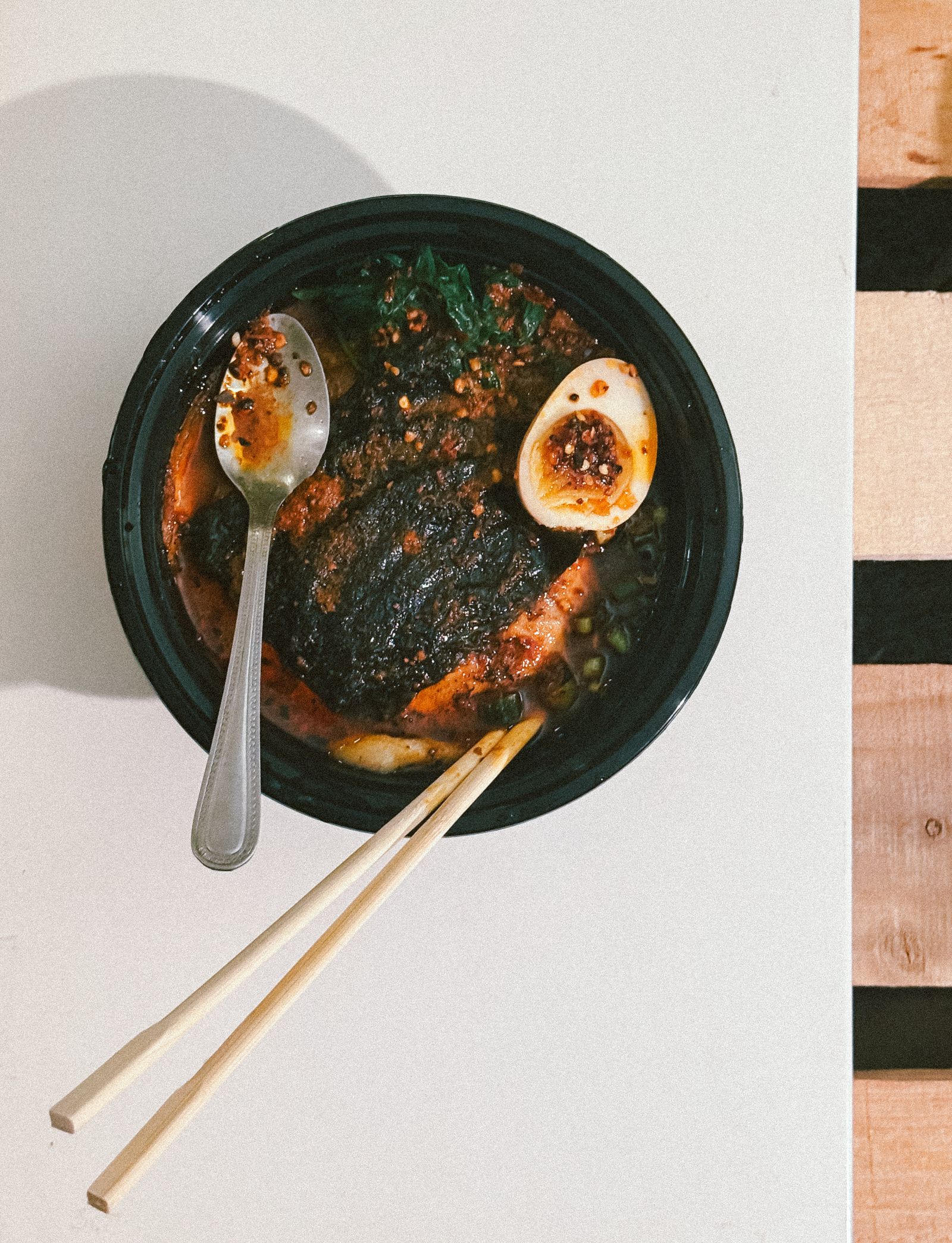
- Drunken Noodles (Pad Kee Mao) A Thai stir-fry of wide flat rice noodles with a sauce of oyster sauce + soy sauce + fish sauce + sugar + chili. Stir-fry garlic and chili in high heat oil, add protein (chicken, beef, or tofu), then noodles and sauce. Finish with a large handful of Thai basil wilted into the hot pan. Ready in under 30 minutes and considerably spicier than Pad Thai — a feature, not a flaw. Based on Christie at Home’s definitive Asian noodle recipe collection.
- Cold Sesame Noodles Cook and cool any long noodle (soba works best). Whisk the sauce: 3 tbsp peanut butter + 2 tbsp soy sauce + 1 tbsp rice vinegar + 1 tbsp sesame oil + 1 tbsp chili oil + 1 tsp honey + 2 tbsp warm water. Toss cold noodles in the sauce. Serve topped with sliced cucumber, shredded carrot, edamame, and sesame seeds. This is the dish that works in summer heat when nothing warm is appealing — it improves with time in the fridge and tastes better at room temperature than cold.
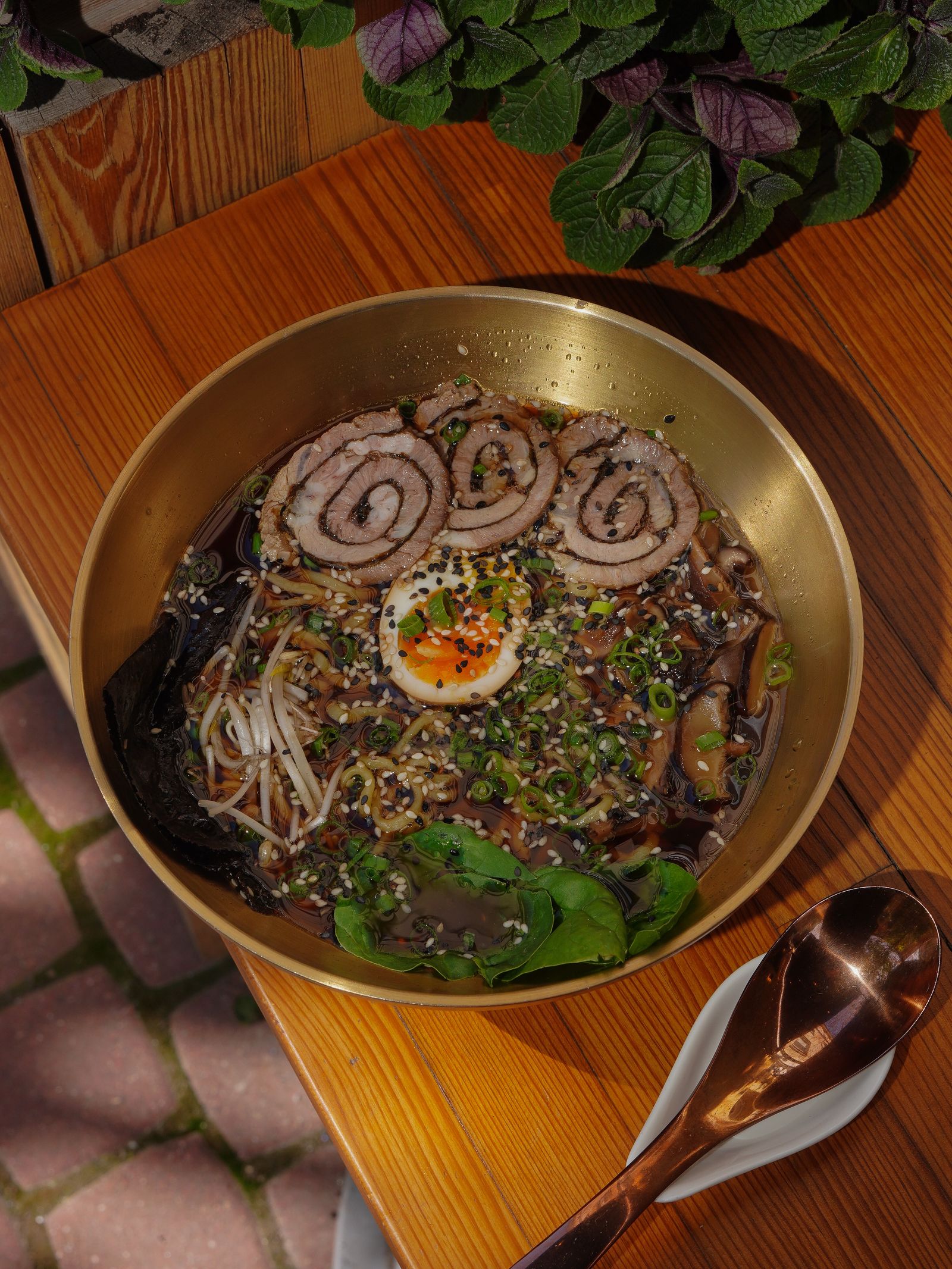
- Japanese Mazemen (Brothless Ramen) The ramen that doesn’t need a six-hour broth. Cook ramen noodles. Build the sauce in the bowl: 2 tbsp soy sauce + 1 tbsp mirin + 1 tsp sesame oil + 1 tsp chili oil + 1 tsp rice vinegar. Drain noodles directly into the bowl and toss vigorously. Top with a soft-boiled marinated egg (soy sauce + mirin soak for minimum 1 hour), nori sheets, menma bamboo shoots, and spring onion. The technique of mixing the sauce in the bowl rather than the pan is the whole trick.
-
- Korean Glass Noodles (Japchae) Soak dangmyeon (sweet potato glass noodles) in hot water for 30 minutes. Stir-fry sliced beef, shiitake mushrooms, spinach, carrot, and red pepper separately in sesame oil. Combine with noodles and sauce: 3 tbsp soy sauce + 1 tbsp sesame oil + 1 tbsp sugar. Toss together and serve at room temperature with sesame seeds. Japchae is the Korean party dish — light, slightly sweet, deeply savory, and completely addictive.
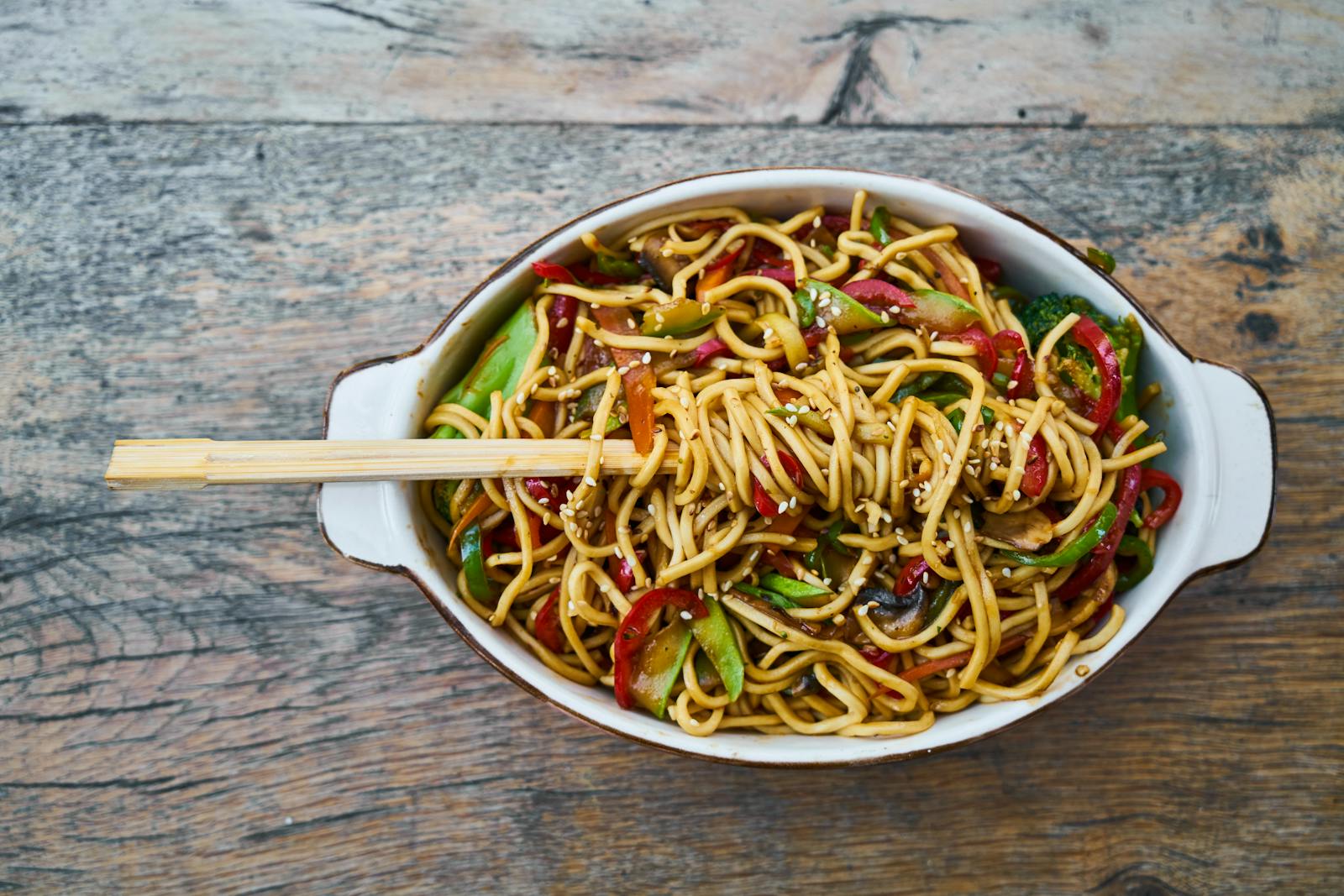
- Stir-Fried Hokkien Noodles Thick, chewy fresh egg noodles stir-fried on maximum heat with prawns, bean sprouts, Chinese chives, and a sauce of oyster sauce + soy sauce + dark soy sauce + a touch of sugar. The dark soy gives color and the high heat gives char — the smoky, slightly caramelized quality called wok hei. This requires a very hot pan, which is the only technique challenge in the entire dish.
- Soba with Miso Tahini Dressing The bowl that crosses Japanese and Middle Eastern pantries. Cook soba, rinse under cold water. Whisk: 2 tbsp white miso + 2 tbsp tahini + 1 tbsp soy sauce + 1 tbsp rice vinegar + 1 tsp honey + water to thin. Toss noodles in the dressing. Top with sliced avocado, edamame, shredded red cabbage, sesame seeds, and a drizzle of chili oil. This is the lunchbox noodle that looks deliberately styled and takes twelve minutes.
- Asian Sesame Beef Noodles Cook ramen or udon noodles. Brown strips of beef sirloin in a hot pan, set aside. In the same pan, build the sauce: soy sauce + oyster sauce + beef stock + a squeeze of lemon + cornstarch slurry to thicken. Toss noodles in the sauce, return beef, finish with sesame oil and toasted sesame seeds. Based on a recipe trending heavily across food sites in spring 2026 — simple, deeply savory, and genuinely satisfying.
The 10 Pantry Ingredients That Make Every Asian Noodle Dish Work
The right pantry removes the gap between “I want a noodle dish” and “I can make a noodle dish” entirely. These ten items cover almost every recipe on this list and most of the Asian pasta dishes you’ll ever want to cook.
The technique is rarely complex. The skill is in the pantry.
- Soy sauce — the universal savoury base. Standard for most dishes, dark soy for color and depth, light soy where you need salt without darkness.
- Sesame oil — finish every dish with a few drops. Don’t cook with it — add it at the end. The toasted flavor disappears under direct heat.
- Oyster sauce — glossy, slightly sweet, deeply umami. The ingredient that makes garlic noodles taste like they were made by someone who knows what they’re doing.
- Rice vinegar — the acid note in cold noodles, dressings, and anything that needs brightness without the sharpness of wine vinegar.
- Chili oil / chili flakes — adjustable heat that goes into almost everything. Lao Gan Ma crispy chili oil is the benchmark.
- Gochujang — Korean fermented chili paste. Spicy, umami, slightly sweet. The base of creamy gochujang pasta and dozens of other dishes.
- Fish sauce — the umami amplifier for Thai dishes. Three drops in anything savory makes it taste more like itself.
- Mirin — Japanese sweet rice wine. Essential for teriyaki, mazemen, and anything with a Japanese flavor profile.
- Sesame seeds — toasted, for finishing. Texture, flavor, and the visual element that signals the dish is done and intentional.
- Spring onion / scallion — raw, thinly sliced, added at the very end. The fresh contrast that every cooked noodle dish needs.
The Noodle Guide — Which Type for Which Dish
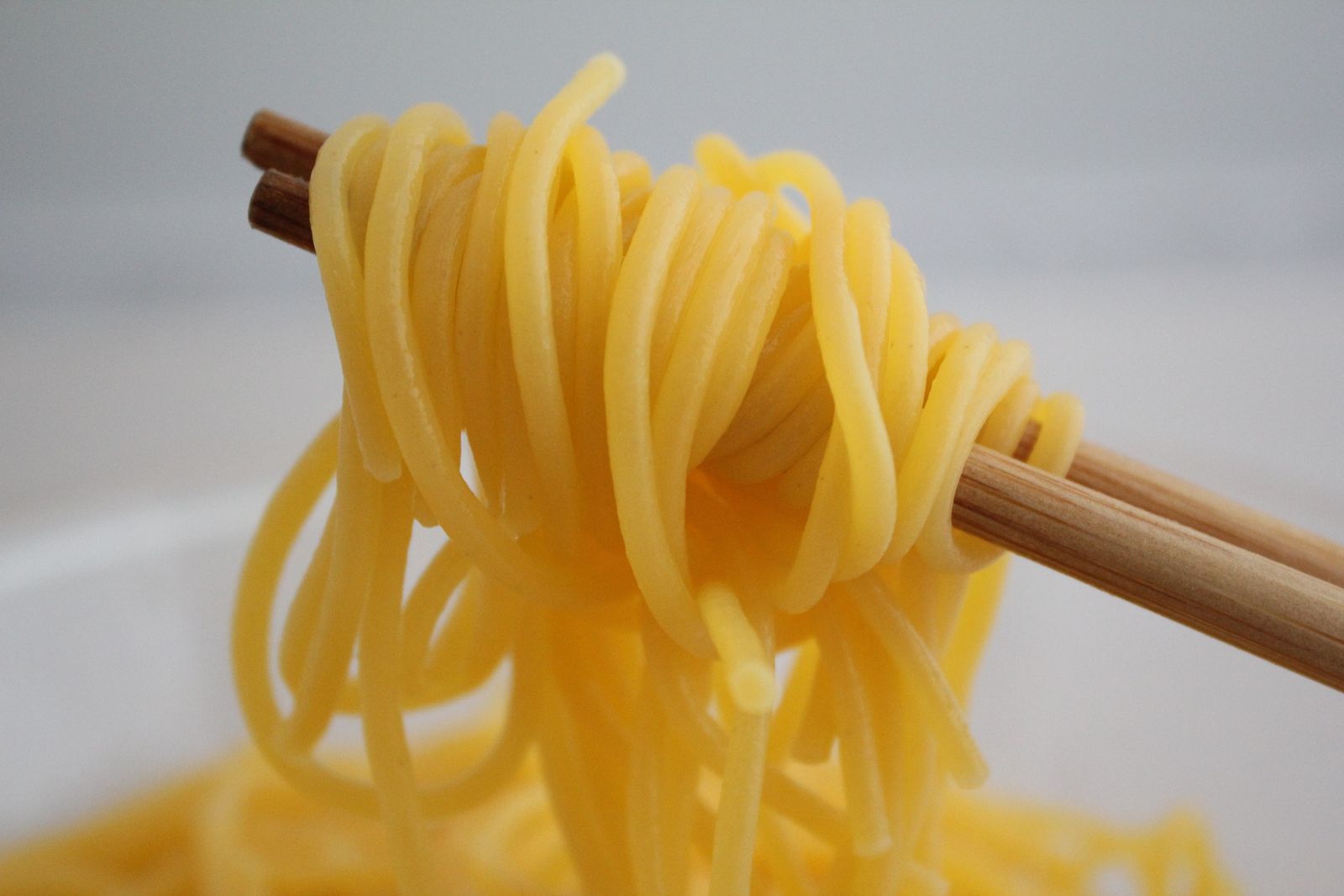
Substituting the wrong noodle doesn’t ruin a dish — but using the right one noticeably improves it. Here’s the short version:
- Ramen (wheat, alkaline) — garlic noodles, gochujang pasta, mazemen, sesame beef noodles
- Flat rice noodles (wide) — Pad Thai, Drunken Noodles, Hokkien-style stir-fries
- Soba (buckwheat) — cold sesame noodles, miso tahini bowl, any cold noodle preparation
- Udon (thick wheat) — any Japanese hot soup or stir-fry, the sesame beef noodles also work beautifully
- Glass noodles / dangmyeon (sweet potato starch) — Japchae specifically; translucent and chewy in a completely distinct way from wheat noodles
- Dried spaghetti or linguine — works as a substitute in garlic noodles and gochujang pasta, a legitimate choice when the right Asian noodle isn’t available
More food ideas worth your week are in the Food section on Can We Talks — including roasted vegetable bowls and easy chicken thigh recipes that pair with half these noodle dishes.
The Last Word on Eating Like This More Often
The thing about Asian pasta dishes is that the learning curve is very short and the payoff is very high. Once you’ve made garlic noodles twice, you’ve memorized the sauce ratio. Once you’ve made Pad Thai three times, you’re not looking at the recipe anymore.
These dishes become part of the unconscious rotation — the thing you make when you’re tired and hungry and the refrigerator is 70% empty and delivery feels like surrender. They’re the meals that prove competence doesn’t require complexity.
Pick one tonight. Report back in thirty minutes.
Real Talk. Delivered. XOXO