Bohemian Home Decor 2026: 17 Gorgeous Ideas That Make Every Room Feel Alive
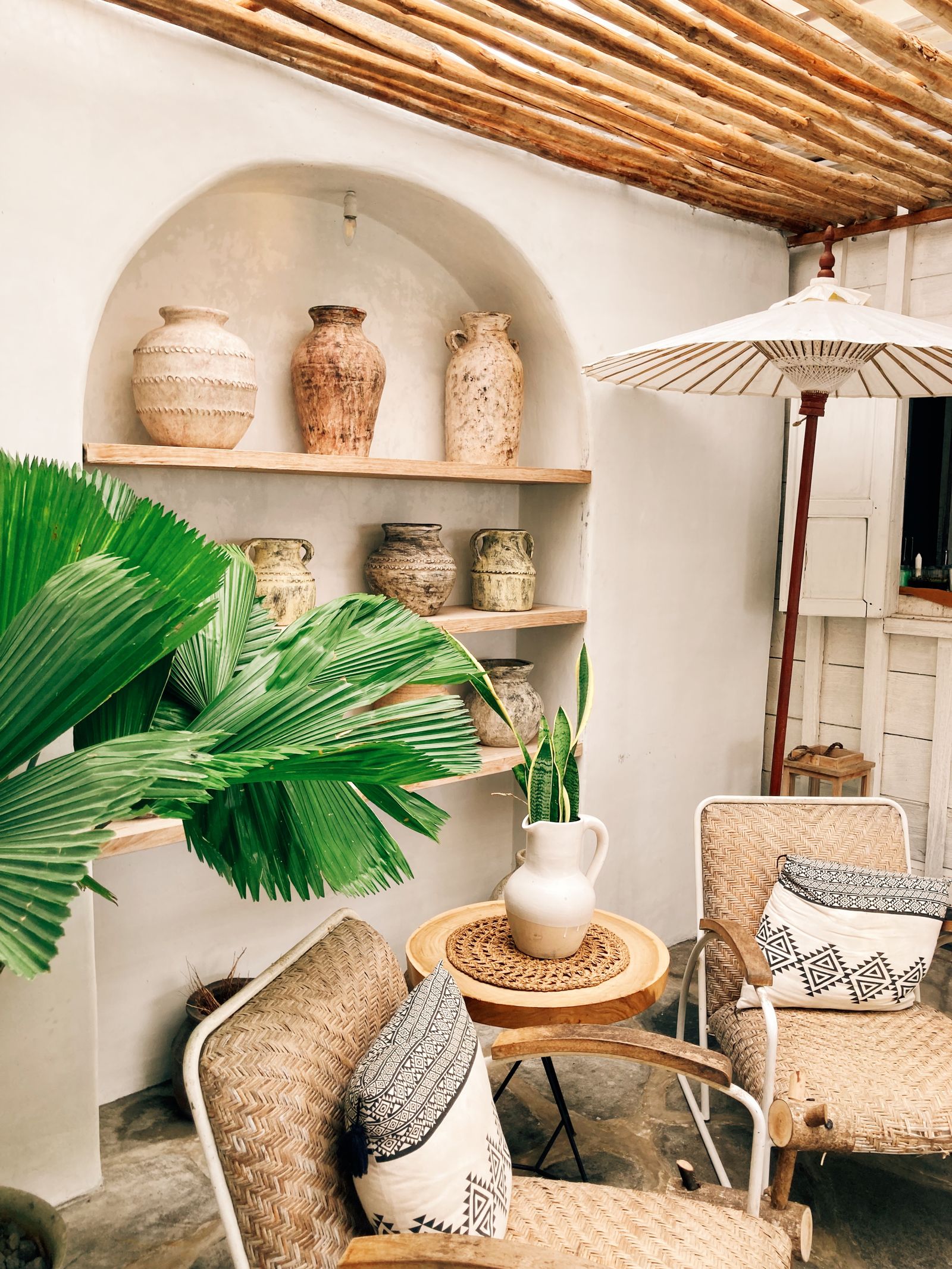
There’s a particular quality to a beautifully done bohemian room — a warmth that arrives before you’ve consciously registered the details. The layered textiles, the low light, the plants filling corners the decorator didn’t plan for. It feels inhabited rather than designed, collected rather than purchased, lived-in rather than staged.
That quality is absolutely achievable deliberately. And bohemian home decor 2026 has evolved enough that you can create it without the room feeling like a prop from a festival documentary.
Here are 17 ideas that work — for living rooms, bedrooms, reading corners, and every surface in between.
Why Bohemian Home Decor Is Different in 2026
Bohemian decor has been through several iterations. The maximalist everything-at-once phase. The Instagram-mandala-tapestry phase. The “boho-chic” phase that ended up feeling identical in every rented flat.
According to Elegant Home Edit’s 2026 boho living room guide, this year’s version is more considered: it layers intentionally, it prioritizes natural and sustainable materials, and it knows when to stop adding things. The 2026 bohemian room has edit as well as accumulation.
The other significant shift: Pinterest’s 2026 trend data shows “African boho” as one of the fastest-rising home decor searches — a fusion of West African textiles and bohemian layering that brings genuine visual richness and cultural depth that the previous generation of boho decor often lacked.
- 2026 key shift: jewel-tone accent walls and deeper colors replacing the all-beige boho palette of previous years
- Sustainability is central — rattan, reclaimed wood, organic linens, bamboo furniture, and second-hand vintage pieces
- African and global textile influences are replacing generic “tribal” patterns with genuinely sourced, culturally specific textiles
17 Bohemian Home Decor Ideas Worth Stealing Right Now
Each of these bohemian home decor ideas has a specific job in the room. Use the ones that address what your space currently lacks.
- Neutral Boho Base Soft cream, ivory, and warm beige as the wall and sofa colors. The neutral base is what allows everything layered on top to look collected rather than cluttered. Without it, maximalism tips into chaos.
- Layered Textiles Mix at least three textures on a sofa: a linen cushion, a chunky knit throw, a cotton-weave pillow. The pattern diversity should be high; the color palette should stay within the same warm or earthy family. Mixing textures within a tonal range is the core bohemian technique.
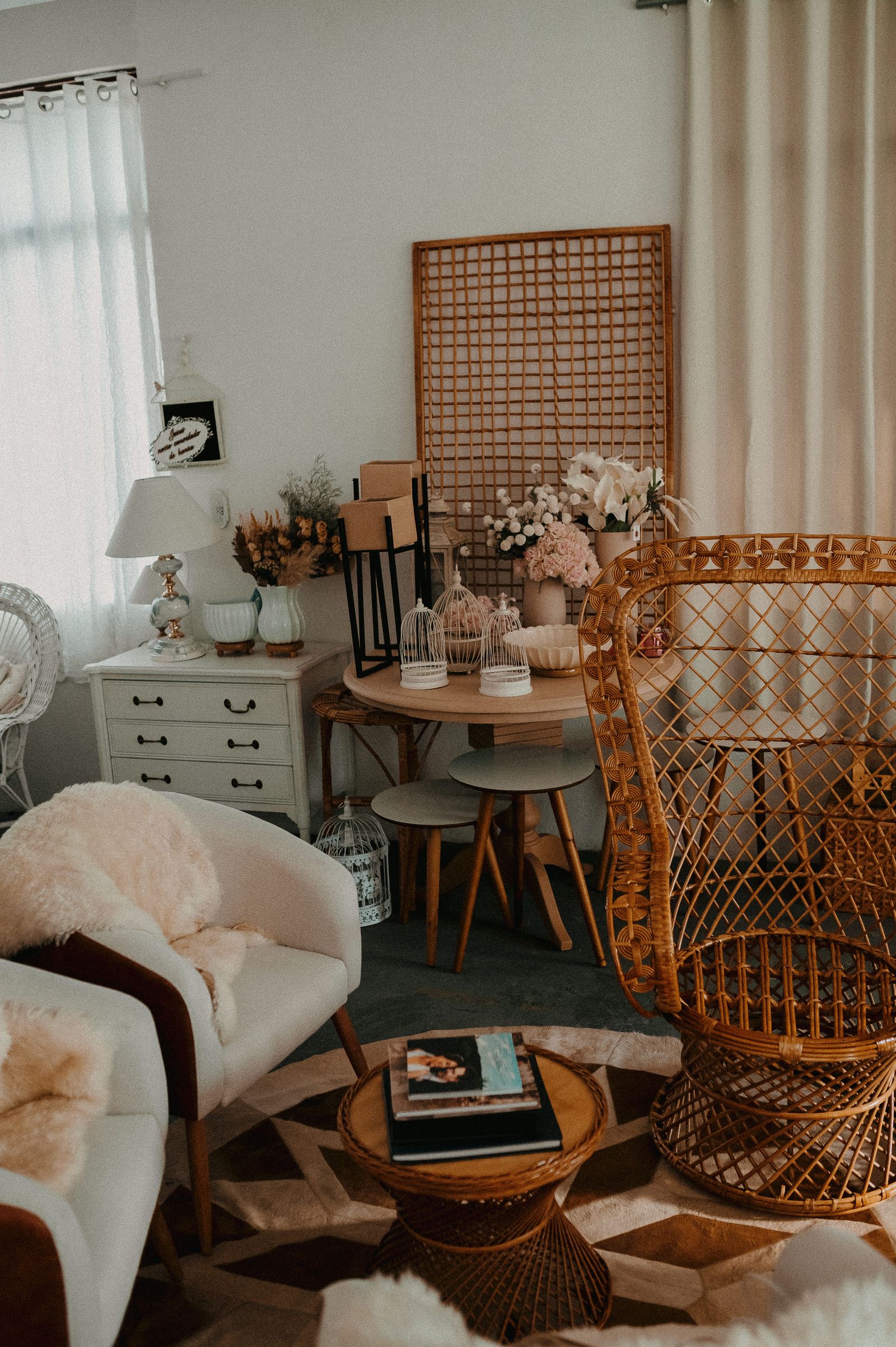
- Rattan and Wicker Furniture A rattan chair, a wicker side table, or a wicker lamp shade introduces organic warmth that no painted or upholstered piece can replicate. Rattan is light, relatively affordable, and pairs naturally with every other bohemian element.
- Earthy Color Palette Terracotta, olive green, mustard yellow, and warm brown as the accent colors within a neutral base. These tones feel grounded and nature-connected, which is the emotional register that good bohemian decor aims for.
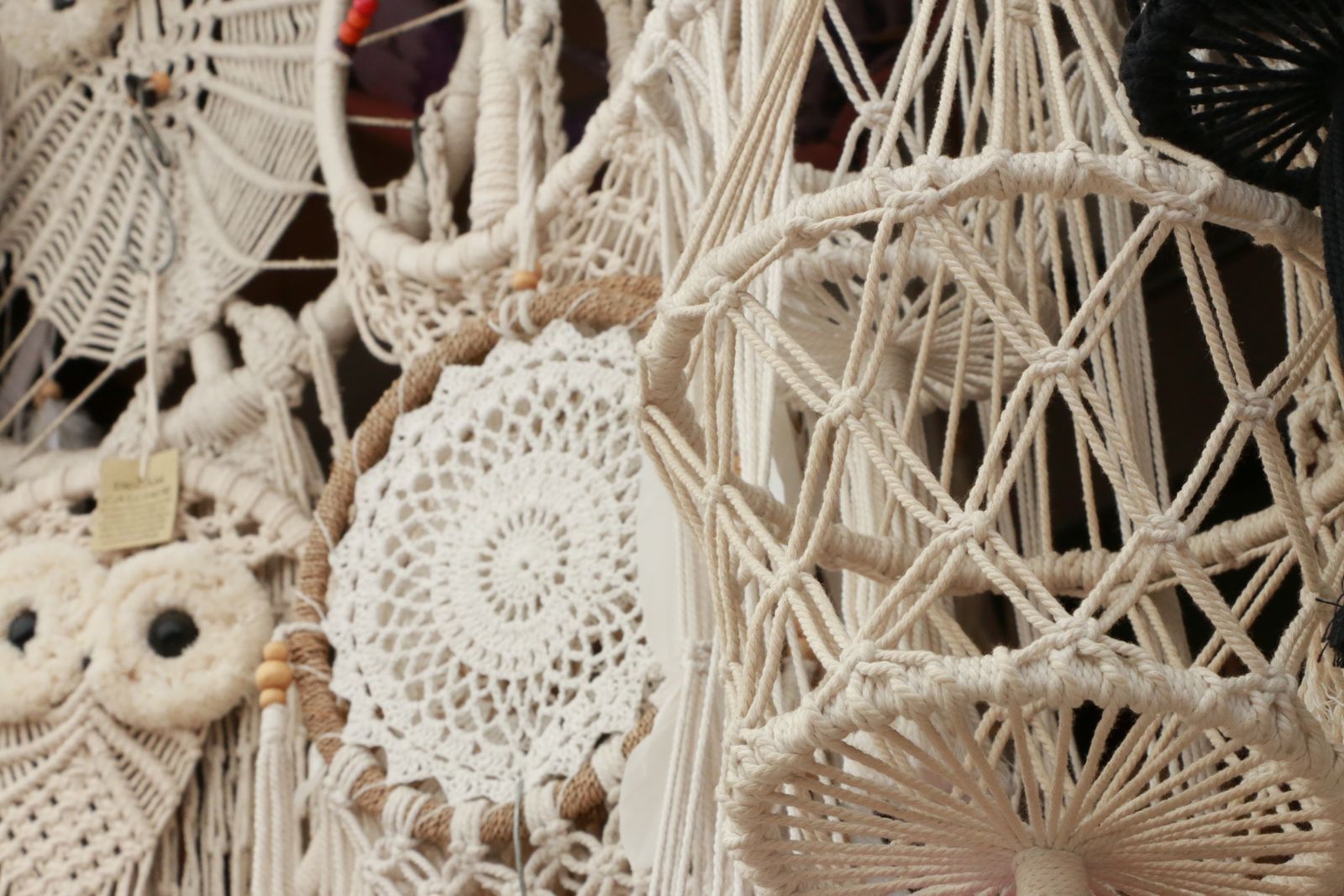
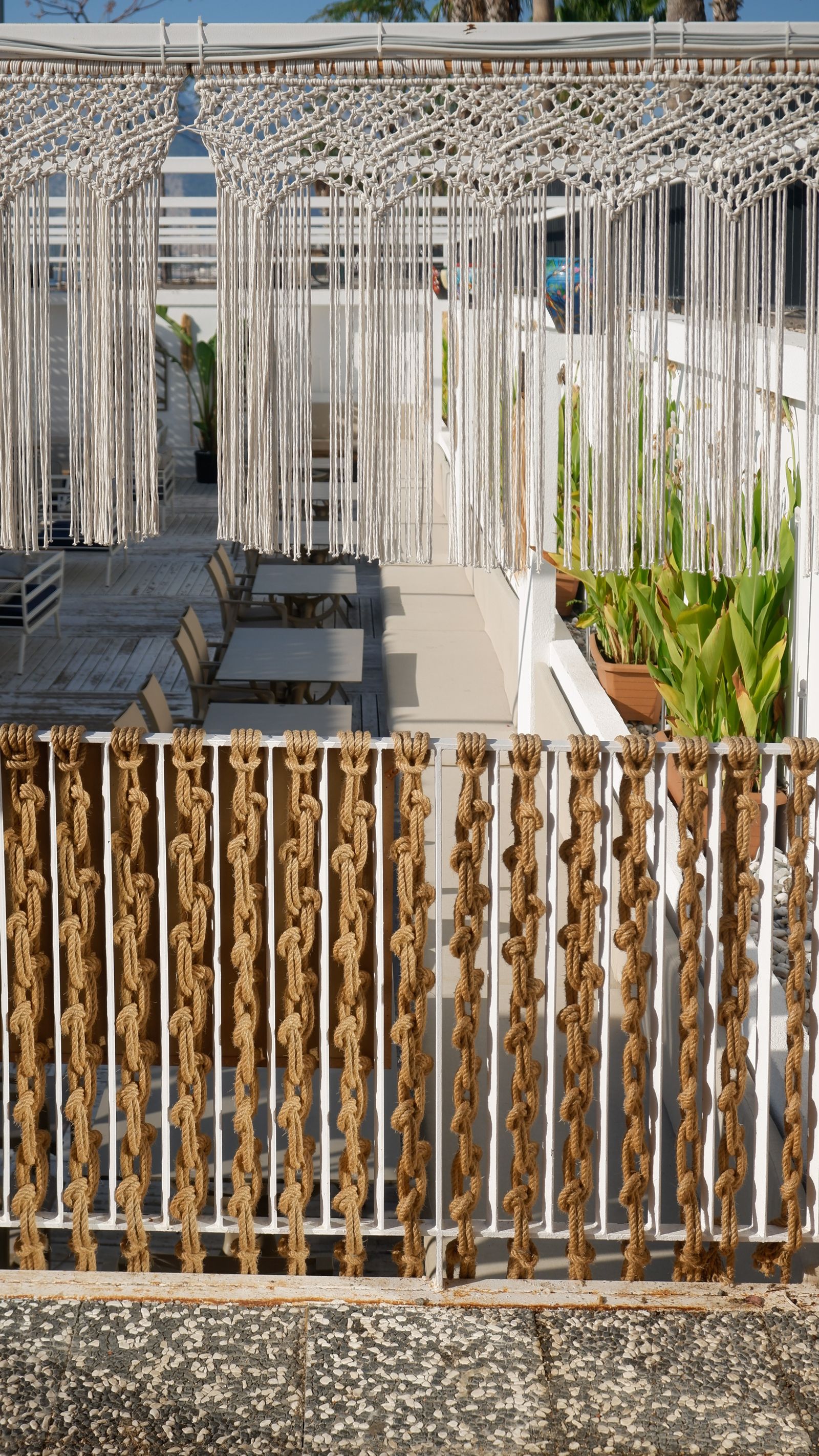
- Oversized Macramé Wall Hanging One large macramé piece above a sofa or bed anchors the wall without requiring gallery-level curation. Handmade macramé is available from independent Etsy sellers at a wide range of prices — the handmade quality reads noticeably better than mass-produced equivalents.
-
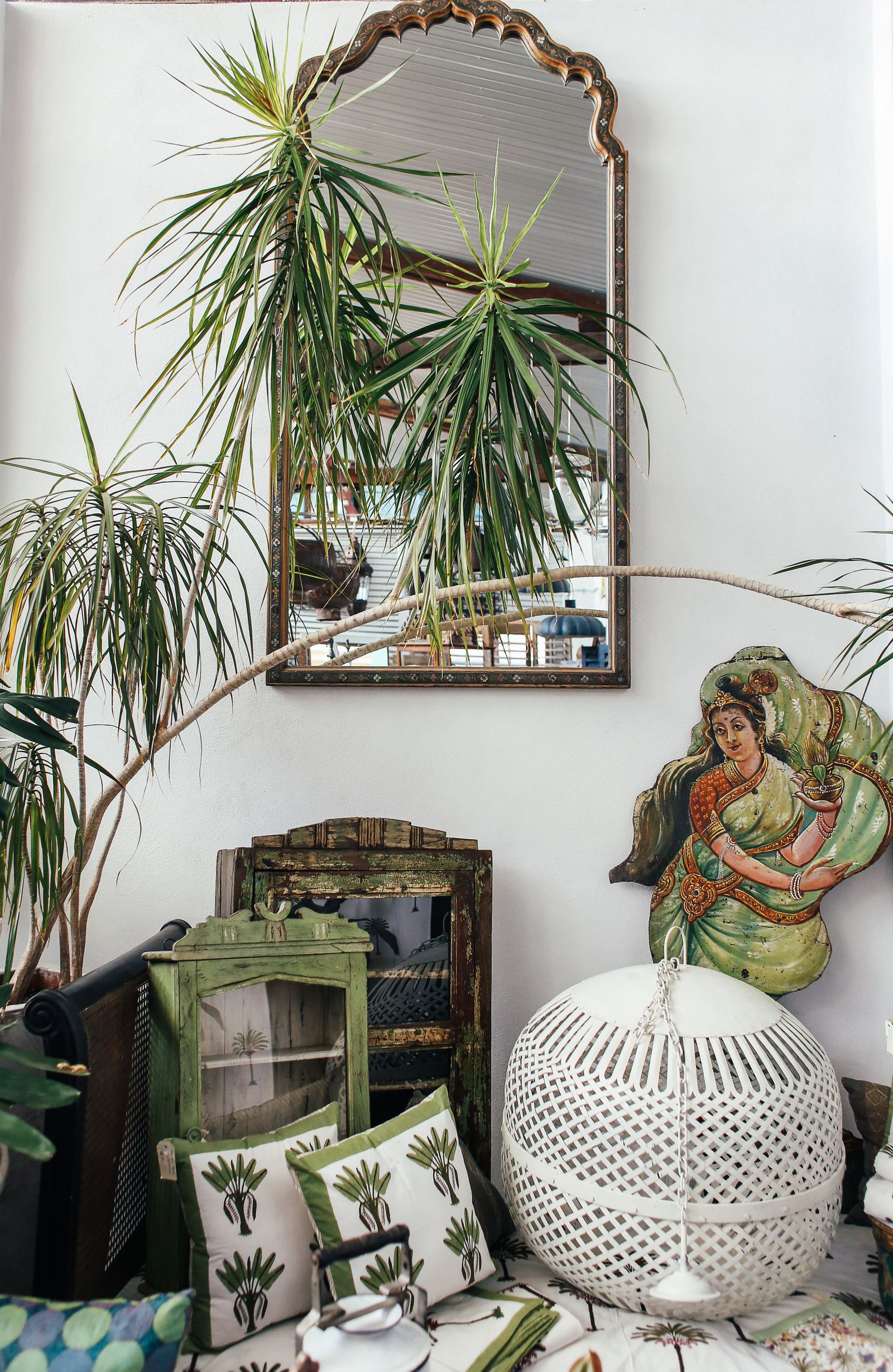
- Gallery Wall, Boho Version Mix art prints in natural wood frames, woven baskets mounted as wall objects, pressed botanicals, and a mirror or two. The key is varying the shapes and sizes while maintaining a consistent warm frame finish. This wall type allows genuine personal curation without requiring art-world knowledge.
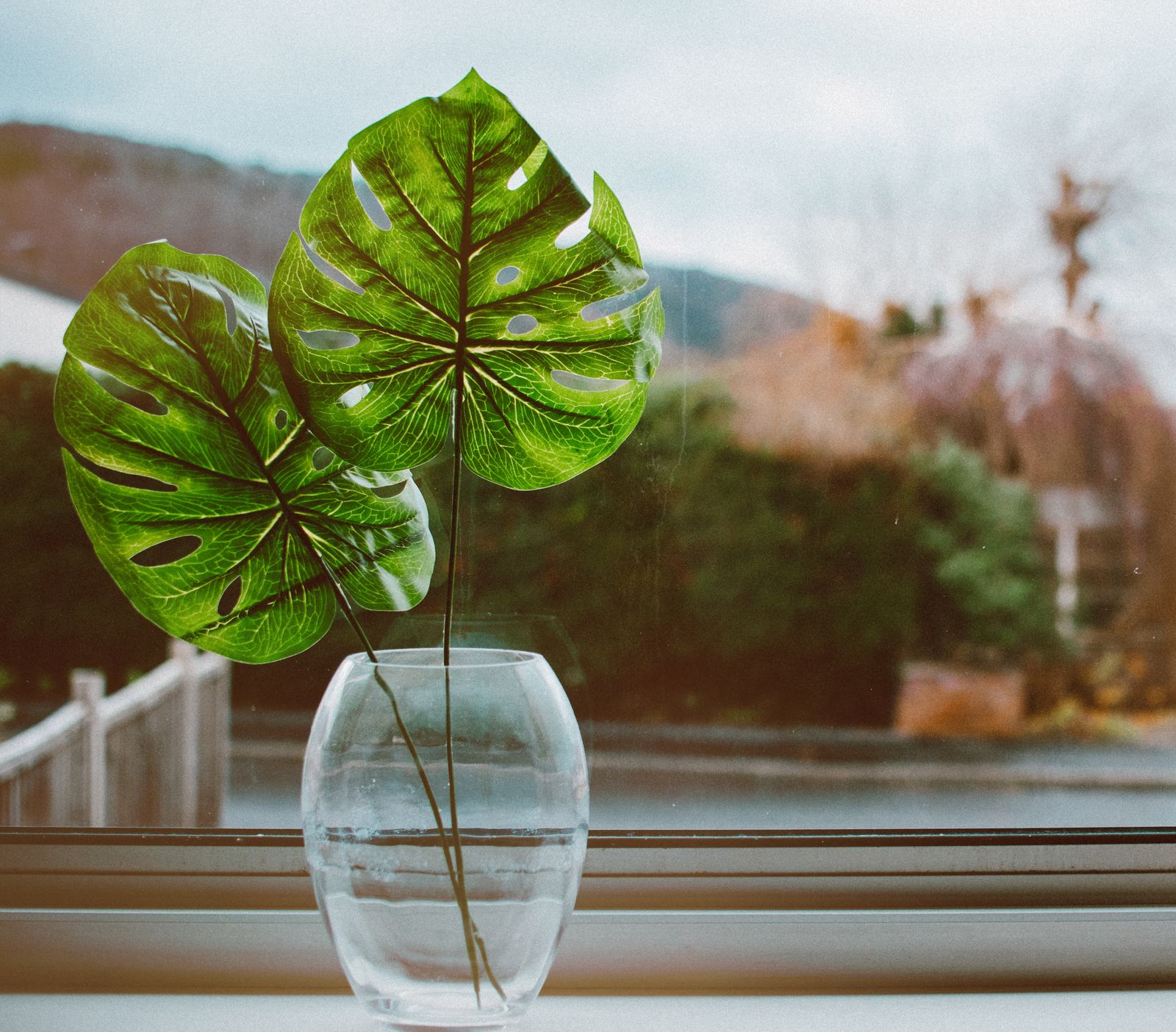
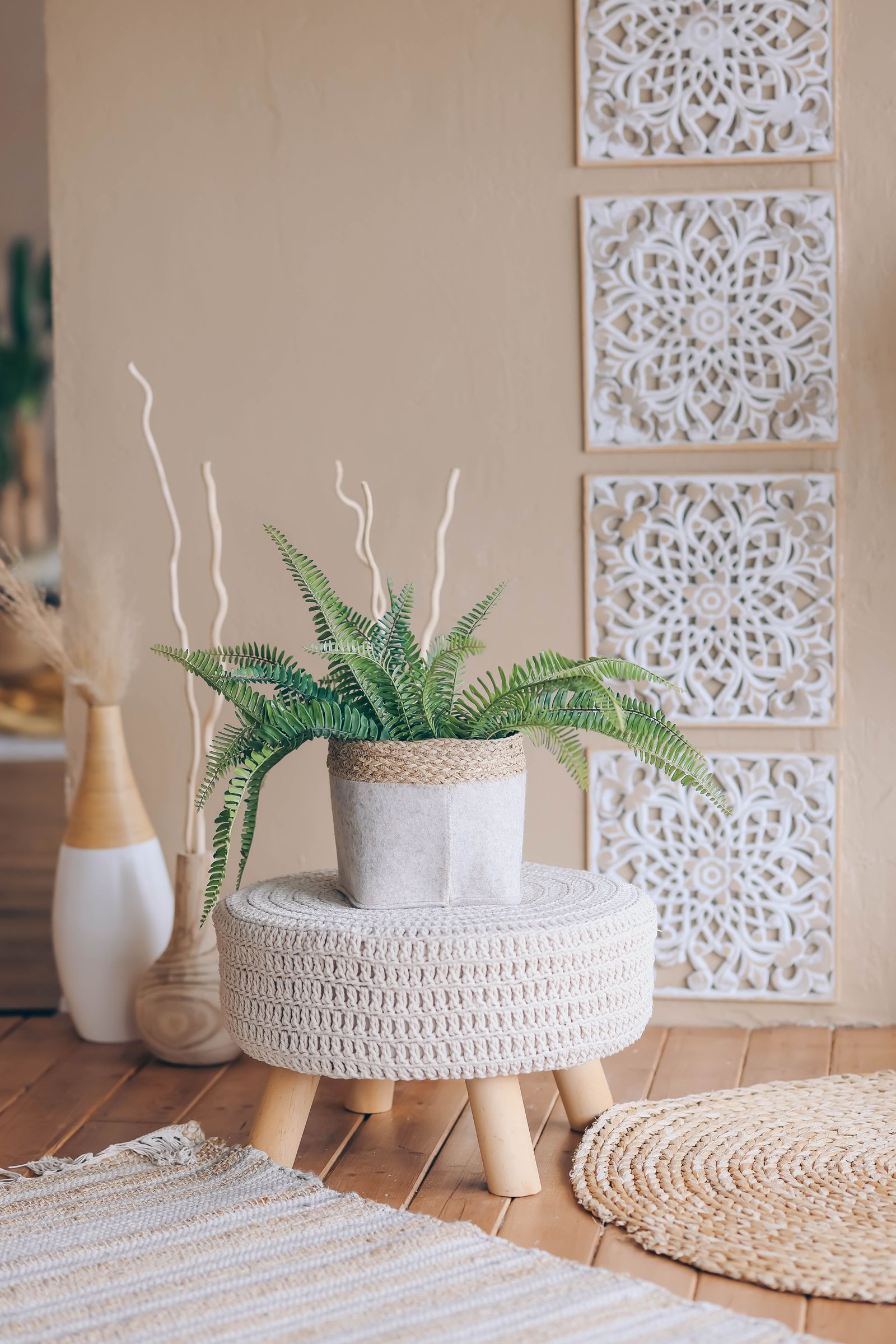
- Statement Plants Monstera deliciosa in a terracotta pot in a corner. A trailing pothos on a high shelf. A fiddle leaf fig near the window. Plants are the decor element that makes a room feel alive in the most literal sense, and in a bohemian room they’re structural as well as decorative.
- Vintage Furniture Pieces One antique wooden cabinet, a retro armchair from a second-hand shop, a vintage kilim rug under a coffee table. These pieces add the character that new furniture can’t manufacture — the specific quality of something that has existed somewhere else before.
- Floor Seating Area Large floor cushions, a low wooden table, soft-textured poufs arranged around a rug. For smaller apartments or rooms where furniture is already dense, a floor seating corner creates a distinct zone with minimal additional pieces.
- Woven Pendant Lighting A rattan or woven pendant light over a dining table or reading corner creates the warm, dappled light quality that characterizes the best bohemian spaces. The pattern of light through the weave changes with the time of day in a way that no solid lamp does.
-
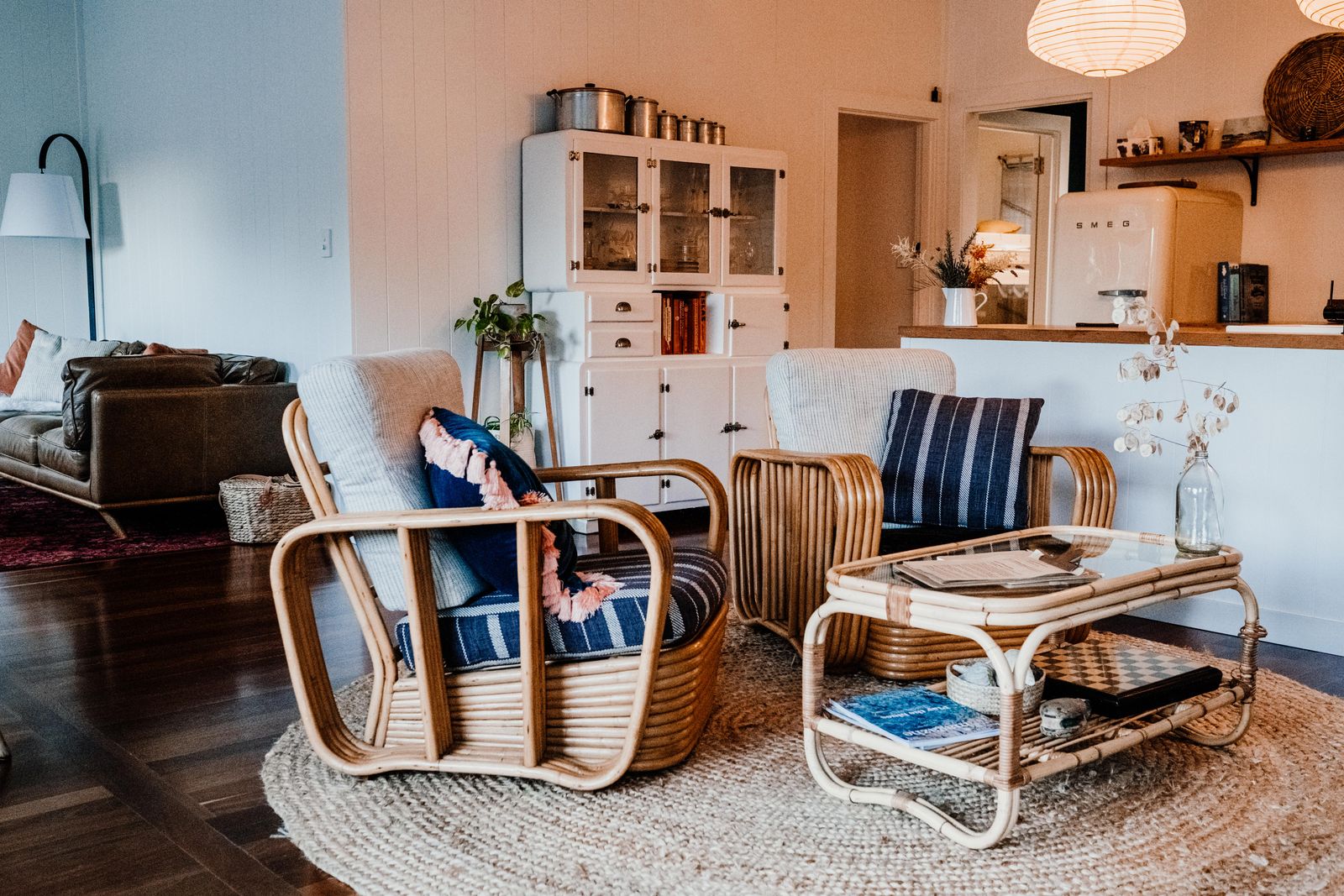
- Natural Wood Elements Light oak or reclaimed wood shelving, a wooden coffee table with visible grain, a simple wooden bench. Natural wood reads as authentic in the way that MDF or veneer doesn’t — it develops character over time rather than degrading.
- Minimal Boho Approach (Less is More) A single macramé, one rattan chair, three good plants, a layered rug, and a carefully chosen throw. The minimal bohemian room proves the aesthetic works at any density — the principles of texture, warmth, and natural material apply to three pieces as readily as to thirty.
- Layered Rugs A large neutral jute or sisal rug as the base layer, a smaller vintage or tribal-pattern rug centered on top. The layering adds depth and defines zones in an open-plan room without requiring additional furniture.
- Pampas Grass as a Centerpiece A generous bunch of dried pampas grass in a ceramic or woven vase. Neutral, dramatic in scale, long-lasting, and the element that makes a surface look styled rather than arranged.
-
- Mixed Pattern Textiles Tribal prints, florals, and geometric patterns in the same room, unified by a consistent earthy color palette. The rule: vary the pattern scale (small, medium, large) and the pattern type (geometric, organic, abstract) but keep the base colors consistent.
- Woven or Printed Wall Tapestry A large tapestry behind the sofa or bed creates a focal point that functions like wallpaper — changing the entire character of the wall — without the commitment or cost of paper or paint.
- Cozy Reading Corner One comfortable chair or hammock, a floor lamp with a warm bulb, a small stack of books on a side table, a textured throw within reach. A reading corner doesn’t require its own room — it needs a defined location, good light, and the signal that this space is for nothing except being still.
The 2026 Boho Color Palette — What’s In, What’s Out
The all-beige bohemian room has had a long run. It’s not over, but it’s being complicated by something more interesting.
Warmth is the brief. Everything else is interpretation.
What’s in
- Deep terracotta walls as accent colors — the jewel-tone turn in 2026 boho means darker, richer wall colors rather than uniformly pale rooms
- Olive green and forest green in soft furnishings and plants — green is the connective tissue between the earthy base palette and the plant-heavy styling
- Mustard and ochre as cushion and textile accents — warm and saturated enough to register as color, earthy enough to feel at home in a neutral base
- African-inspired color combinations: deep indigo, earthy red, ochre, and cream in textile form, particularly in cushion covers and throws
What’s out
- Generic “tribal” patterns with no identifiable origin — in 2026 the expectation is that pattern choices are intentional and traceable
- All-white or very pale grey bohemian rooms — the warmth requirement has moved the acceptable base tones toward ivory, cream, and parchment rather than stark white
- Matching boho sets purchased from fast-furniture retailers — the aesthetic requires the appearance of curation, which identical pieces from one source undermine
How to Build a Bohemian Room on Any Budget
Bohemian decor has a structural advantage over most interior styles: it actively rewards second-hand, vintage, and handmade pieces. The aesthetic’s own logic works in favour of the budget-conscious.
- Start with textiles. Cushion covers, throws, and small rugs have the highest visual impact per pound of any decor category. A €15 hand-block-printed cushion cover from a market stall contributes more to a bohemian room than a €150 designer side table.
- Buy furniture second-hand first. Charity shops, Facebook Marketplace, and vintage fairs are where the authentic pieces are — the ones with worn edges and wood grain and character that new furniture costs a premium to simulate.
- Propagate plants from cuttings. Pothos, tradescantia, and spider plants propagate from cuttings in a glass of water. Monstera can be had cheaply in small sizes and grows quickly. The plant density of a well-styled bohemian room doesn’t require buying mature specimens.
- Make your own macramé. The basic square knot pattern that makes 90% of wall hangings takes one afternoon to learn and produces a genuinely excellent result. The cord costs very little.
- Use paint strategically. One terracotta or olive feature wall costs a single tin of paint and transforms the entire palette of a room. This is the highest-impact, lowest-cost intervention in any room at any stage of bohemian styling.
For more home styling ideas across every aesthetic, visit the Home section on Can We Talks — including minimalist room design ideas for when the boho layer needs to breathe.
The Last Word on Rooms That Feel Like Somewhere Worth Being
The goal of bohemian home decor isn’t a room that looks like a photograph. It’s a room that feels like somewhere you want to spend a Sunday afternoon without knowing quite why.
The warmth does that. The plants do that. The textiles layered on top of each other until the sofa feels like somewhere you actually sink into — that does it.
Pick three ideas from this list. Start there. The rest of the room will follow naturally, because that’s the other thing about bohemian decor: it tends to know where it’s going once you give it a direction.
Real Talk. Delivered. XOXO