
A fall skincare routine is mostly the summer one with the volume turned down: less foam, fewer acids, richer cream, and the retinol you paused in July brought back on a schedule instead of all at once. The ten swaps below are the ones that keep skin comfortable from the first 50°F morning through the first week of forced-air heat.
Quick Take: Ten swaps, each with how long it takes, when to start it and who it is for. The order matters: cleanser and acids first, cream and shower habits next, then retinol two weeks later once the barrier has settled. Nothing here requires a new brand, and most of it is already in your bathroom — it just needs to move to a different shelf.
The 10 fall skincare swaps at a glance
Since your hands are getting the attention anyway, the Halloween nails 2026 edit is the October manicure to pair with them — the same dark, glossy palette, with time and cost notes for each set.
What’s Inside
- 01. The Cream Cleanser Swap
- 02. The Twice-a-Week Acid Rule
- 03. The Lotion-to-Cream Upgrade
- 04. The Ten-Minute Warm Shower
- 05. The Retinol Comeback
- 06. Hyaluronic Acid on Damp Skin
- 07. The Sunscreen That Stays
- 08. The SPF Lip Balm in Every Pocket
- 09. The Bedroom Humidifier
- 10. The Hand Cream and Dish Gloves Habit
- The Fall Skincare Swaps To Skip This Year
- Frequently Asked Questions
- The Last Word on Fall Skincare Routine 2026
Here is the part nobody says out loud: the products did not stop working in September, the air did. Cooler air holds less moisture, the furnace dries it further, and skin that was balanced all summer starts losing water faster than the routine puts it back. The first sign is tightness after washing, not anything dramatic.
Every swap comes with the time it takes, the week to start it and the skin it suits, so you can do all ten or only the three that apply. The sources are the American Academy of Dermatology, Cleveland Clinic and the Skin Cancer Foundation, not a brand’s launch calendar.
Why a Fall Skincare Routine Works Differently in 2026
Two things changed this year, and neither is a new ingredient. Most of us now spend fall in heated rooms with the windows shut, so the dry-air problem starts in early October instead of December. And retinol has gone mainstream: more people paused it for summer sun than ever, and more people are bringing it back wrong.
The dermatology advice has not moved, which is the good news. The AAD’s cold-weather guidance still comes down to heavier creams, fewer acids, warm rather than hot water and a humidifier in the bedroom, and its dry-skin page still lists the same moisturizing ingredients it always has. The ten swaps below simply put that advice in the order a real fall week runs.
Fall skin is not a product problem. It is a water problem, and every swap on this list either puts water in or stops it from leaving.
01. The Cream Cleanser Swap
Milk, Not Foam
Takes: 60 seconds · Start: the first week mornings dip below 50°F · Best for: skin that feels tight after washing
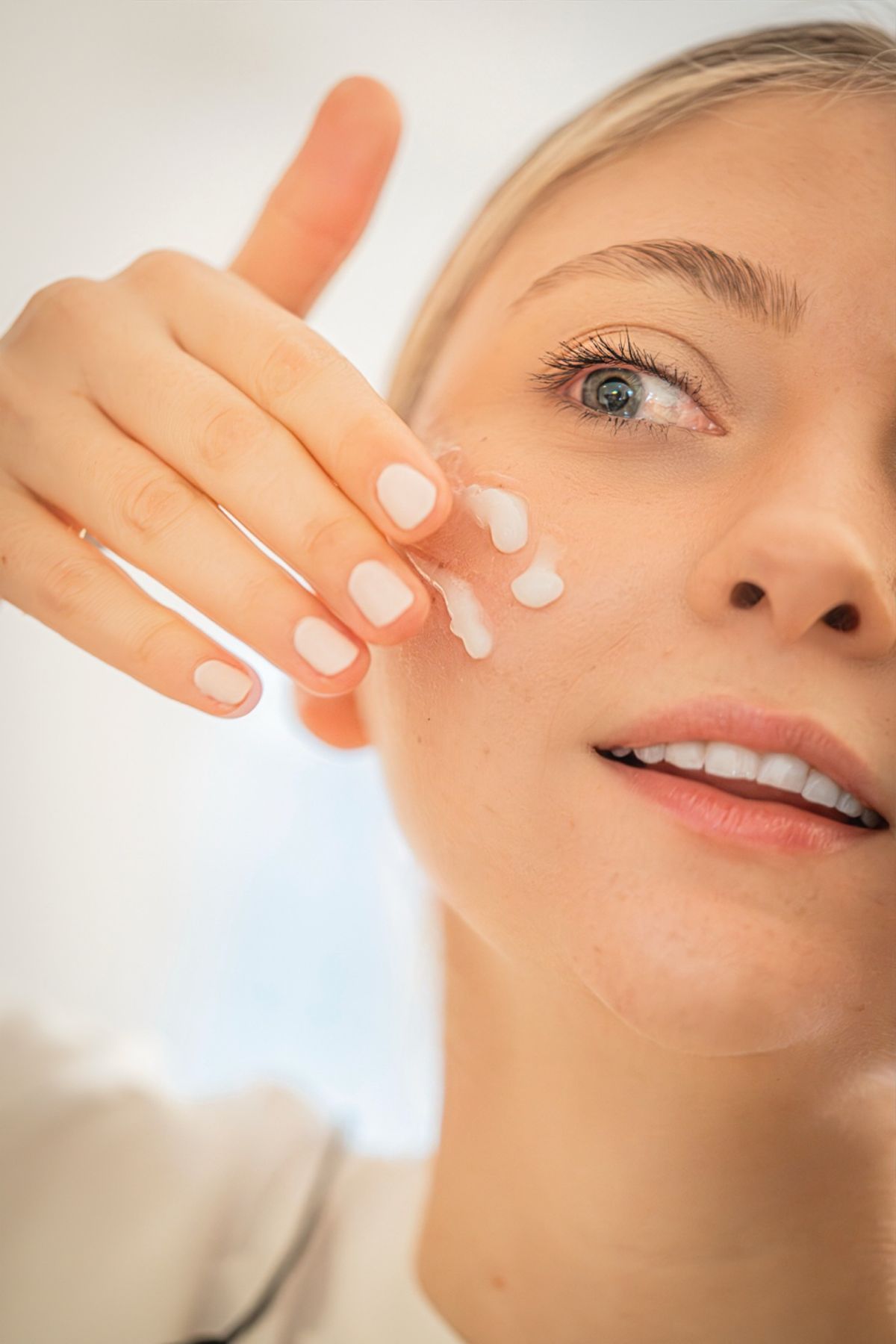
Who else has been washing with the same gel since June? The foaming cleanser that felt so satisfying in August is the first thing to go: the lather that cut through sweat and sunscreen is now stripping oil your skin wants to keep. A cream or milk cleanser removes makeup and the day without that squeaky, pulled-tight finish.
Swap it in the same week you start reaching for a jacket in the morning, and use it morning and night. The American Academy of Dermatology’s dry-skin guidance is blunt about it: a gentle cleanser with minimal lather, applied only where you need it, and pat dry rather than rub.
A cream cleanser takes about 60 seconds to work in and rinse, roughly the same as the gel you are replacing. Against foam, you lose the deep-clean feeling and gain a face that does not need moisturizer in the first 30 seconds just to stop feeling tight.
02. The Twice-a-Week Acid Rule
Exfoliate Less, On Purpose
Takes: 2 minutes · Start: the same night you switch cleansers · Best for: anyone using a glycolic, lactic or salicylic product nightly
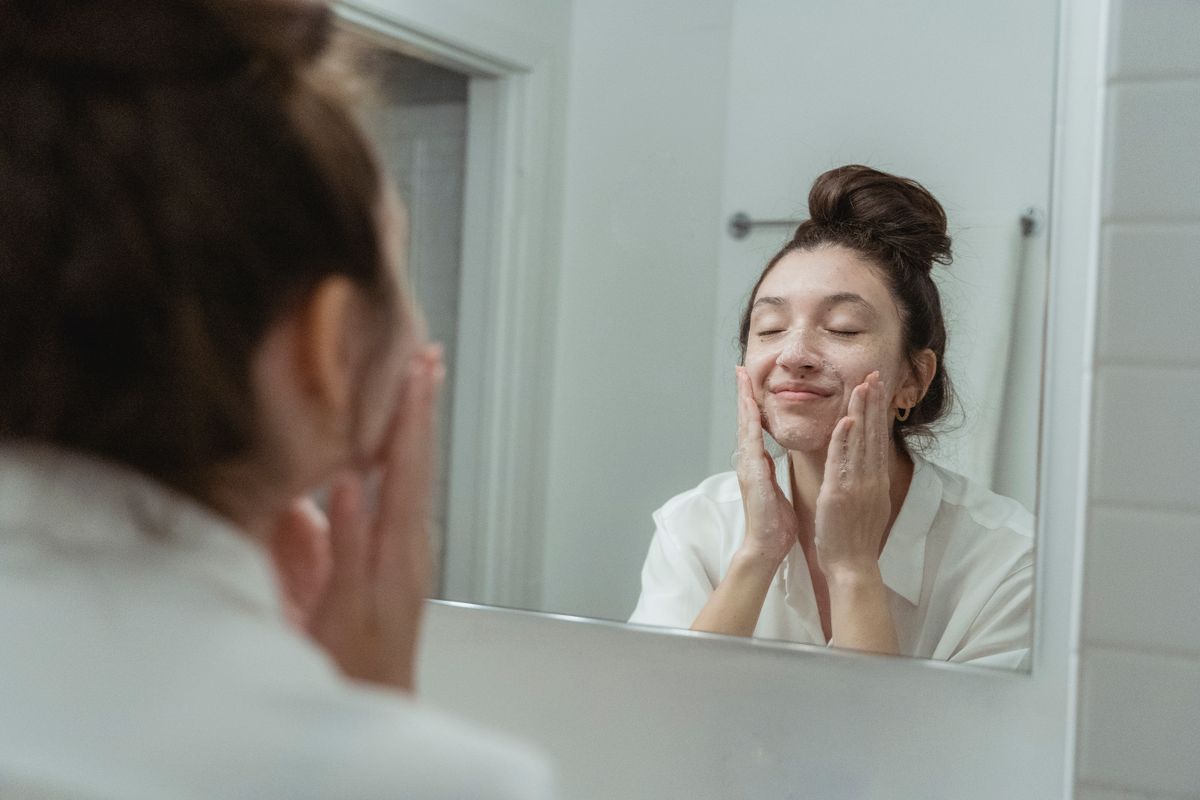
Nightly exfoliating pads were a summer habit, and summer is over. Alpha hydroxy and beta hydroxy acids do their job by loosening the top layer of skin, and in humid weather that layer rebuilds fast. In dry fall air it rebuilds more slowly, which is when the same routine starts to sting.
Cut the acid to two nights a week, never on the same night as retinol, and keep the rest of the week for plain moisturizer. Dr. Elizabeth Kiracofe, a Chicago dermatologist quoted by the AAD, recommends reducing AHA and BHA products in cold weather for exactly this reason: they can irritate skin that is already losing moisture.
Two nights a week is enough to keep texture smooth without the raw, shiny patches that seven nights produce by mid-October. Next to nightly use, you give up a little instant glow and gain a barrier that can handle the retinol in swap 05.
03. The Lotion-to-Cream Upgrade
Thicker Texture, Same Routine
Takes: 30 seconds · Start: the day your lotion stops lasting until lunch · Best for: normal, dry and combination skin
If your face feels fine at 8 a.m. and tight by noon, the moisturizer is not wrong, just too light. Lotions are mostly water, which is perfect when the air is humid and pointless when the heat kicks on and the air pulls water back out of your skin.
Move to a cream in the morning and an even richer one at night. The AAD’s advice for cold weather is to choose an ointment or cream over a lotion, and its list of ingredients that actually hold moisture is a good label check: glycerin, hyaluronic acid, dimethicone, shea butter, petrolatum, lanolin or jojoba oil.
A cream applied to slightly damp skin holds through a full workday where a summer lotion faded by lunch. Against the lotion, you lose the weightless feel for the first five minutes and gain skin that still looks like skin at 6 p.m.
04. The Ten-Minute Warm Shower
Shorter, Cooler, Door Closed
Takes: 10 minutes, max · Start: now · Best for: everyone, especially itchy shins and tight cheeks
Nobody wants to hear this in October, but the long hot shower is the single fastest way to dry skin out. Hot water strips the natural oils that keep moisture in, and the longer you stand there the more you lose, which is why the itch shows up an hour later.
The AAD guideline is specific: five to ten minutes, warm rather than hot, with the bathroom door closed so the room stays humid. Then pat, do not rub, and get moisturizer on while the skin is still damp. That last step matters more than any product in this list.
Ten warm minutes leaves skin damp enough to seal in moisture; twenty hot minutes leaves it flushed and stripped. Versus the long steamy version, you trade a few minutes of comfort for a body that does not itch under sweaters.
05. The Retinol Comeback
Every Other Night, Pea-Sized
Takes: 30 seconds, after a 30-minute wait · Start: two weeks after the cleanser and acid swaps · Best for: anyone who paused retinol over summer
This is the swap the whole season hinges on. Retinol is the ingredient most people pause in the sun and reintroduce badly, all at once in the first cold week, then blame the weather for the flaking. The fix is timing, not a different product.
Bring it back the way Cleveland Clinic describes for a first-time user: a pea-sized amount at bedtime, every other night for the first couple of weeks, applied about 30 minutes after washing so the skin is fully dry. Only then move to nightly, and keep a plain cream in the routine on the off nights.
Expect several weeks before the texture change shows, and several months for fine lines, so starting in September pays off by Thanksgiving. Compared with jumping straight to nightly use, you lose two weeks of speed and gain a face that never hits the red, peeling stage at all.
06. Hyaluronic Acid on Damp Skin
Water In, Then Sealed
Takes: 20 seconds · Start: the morning after your first heated night · Best for: dehydrated skin of any type, including oily
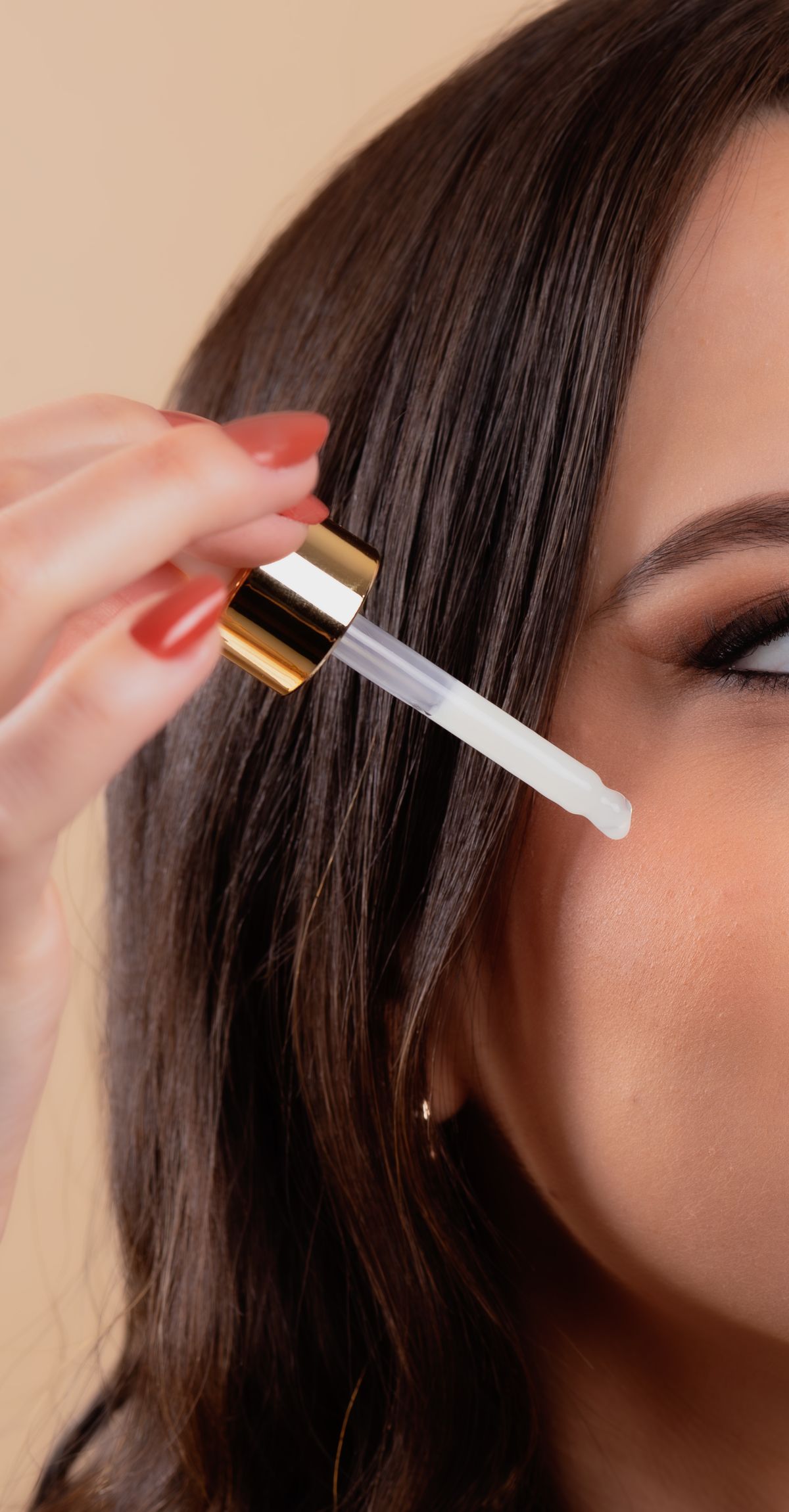
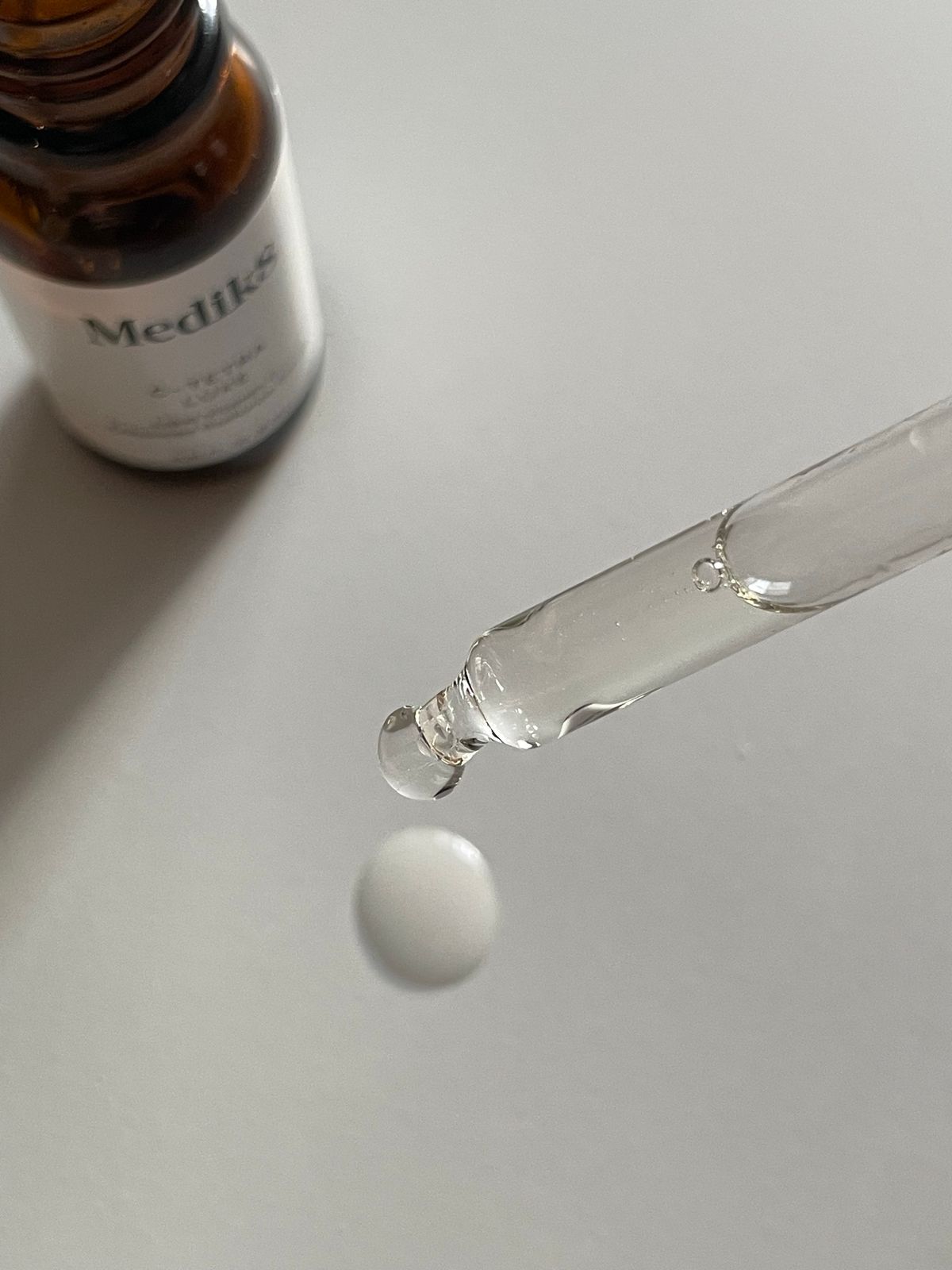
Who has been applying hyaluronic acid to a bone-dry face and wondering why it does nothing? Hyaluronic acid pulls water toward the skin, and in dry indoor air the only water available is whatever you leave on your face after cleansing. Apply it to dry skin and it has nothing to grab.
Cleanse, leave the skin damp, press the serum in, then put the cream from swap 03 on top within a minute. The AAD lists hyaluronic acid and glycerin among the ingredients that help skin hold water, and its bathing advice makes the same point: moisturizer goes on while the skin is still damp.
Damp-skin application plus a cream on top keeps the hydration where it landed; the same serum on dry skin under nothing evaporates by mid-morning. Skip it and you save 20 seconds; do it and you get the plump look that summer humidity used to provide for free.
Once the skin is hydrated, the makeup side gets easier too: the jelly blush looks in our makeup guide sit best on a cream base, not a tight one.
07. The Sunscreen That Stays
Broad Spectrum, Year-Round
Takes: 45 seconds · Start: it never stopped · Best for: every skin type, especially on retinol
Cloudy October morning, no beach in sight, and still the sunscreen goes on. The Skin Cancer Foundation notes that up to 80 percent of UV rays get through cloud cover, and once you are back on retinol your skin is more sensitive to sun than it was in July.
Keep a broad-spectrum SPF 30 or higher as the last morning step, which is both the AAD’s baseline and Cleveland Clinic’s specific advice for retinol users. If a summer gel formula now feels drying, the Skin Cancer Foundation suggests a moisturizing sunscreen with glycerin or lanolin for cold months.
SPF 30 applied every morning takes 45 seconds and covers the walk to the car, the office window and the 4 p.m. commute. Drop it in October and you lose the pigment control you spent all summer on; keep it and the retinol keeps working instead of burning.
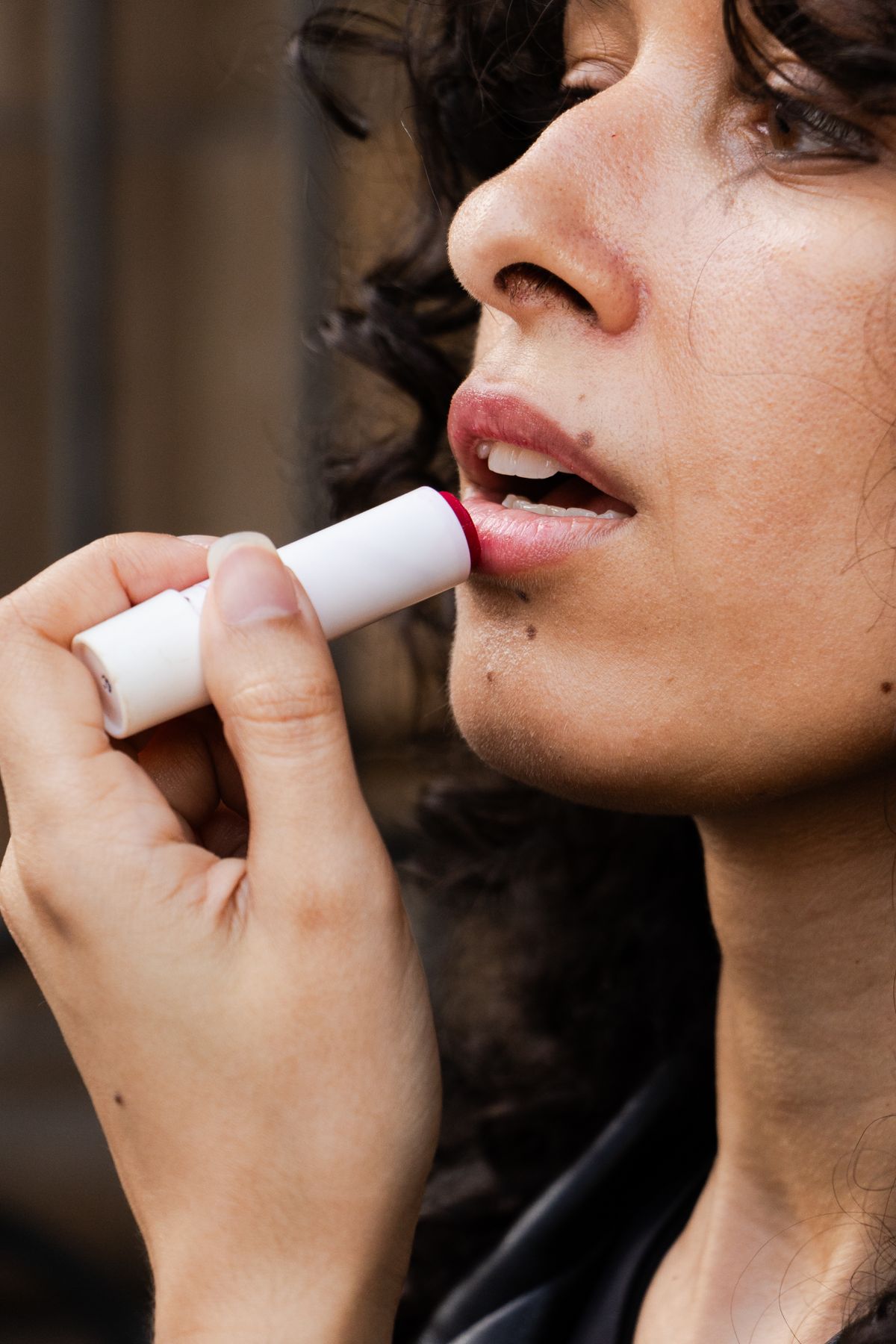
08. The SPF Lip Balm in Every Pocket
Ointment Texture, Reapplied
Takes: 5 seconds · Start: the first windy commute · Best for: anyone who licks their lips when they are dry
Lips have no oil glands of their own, which is why they are the first thing to crack. A waxy stick that sits on top does less than an ointment-style balm that actually sinks in, and in fall the balm needs SPF too, because the sun did not clock out with the pool.
Keep one in the coat pocket, one at the desk and one on the nightstand, and reapply after coffee, wind and lunch. The AAD’s cold-weather advice is lip balm whenever you are outdoors; the Skin Cancer Foundation adds the SPF part, because lips burn too.
Three balms in three places means reapplying five or six times a day without thinking about it. Compared with the single tube that lives at the bottom of a bag, you spend a few extra dollars and skip the split lower lip that shows up in every November photo.
09. The Bedroom Humidifier
Cool Mist, Cleaned Weekly
Takes: 2 minutes to fill · Start: the first night the furnace runs · Best for: anyone who wakes up with tight skin or a dry throat
The heating system is the villain of this list, and the humidifier is the only swap that fights it directly. Forced-air heat dries the room overnight, which is eight hours of your skin losing water to the air no matter what you put on it.
Run a cool-mist humidifier in the bedroom while you sleep, exactly as the AAD recommends for dry skin, and clean it on a schedule so it never grows mold. The AAD’s Dr. Kiracofe also suggests adding a sweater before turning up the thermostat, since every extra degree of heat is drier air.
One fill lasts a full night on most units, and a weekly rinse keeps it safe to breathe. Compared with a second night cream, you spend a little time on maintenance and get the only swap that helps your skin while you are unconscious.
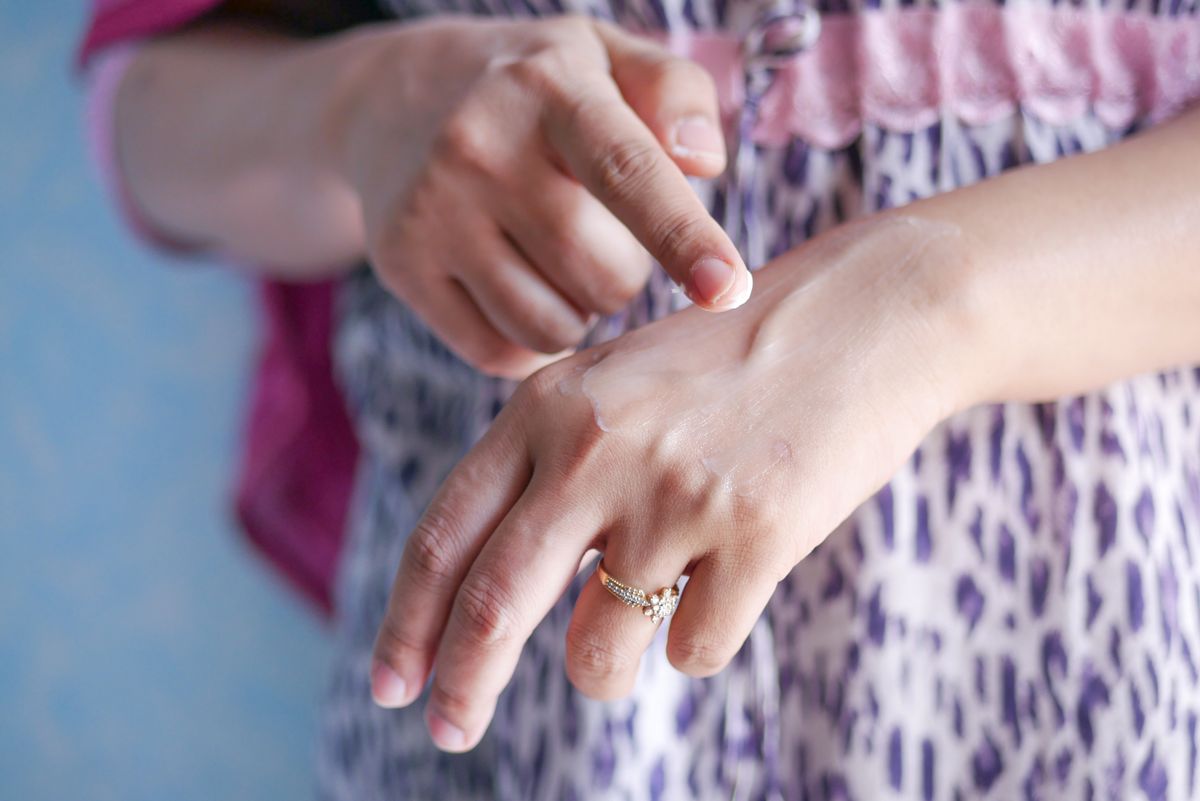
10. The Hand Cream and Dish Gloves Habit
Gloves On, Cream After
Takes: 15 seconds after each wash · Start: the first week your knuckles look chalky · Best for: cooks, parents and anyone who washes hands a dozen times a day
Hands age the routine faster than the face ever will. Hot dishwater, hand soap and cold air hit them all day, and most people moisturize them once, at night, then wash it straight off at breakfast.
Wear gloves for dishes and anything that keeps hands in water, and moisturize after every single wash; both are on the AAD’s dry-skin list word for word. A tube by the kitchen sink and one by the bathroom sink removes the excuse.
Fifteen seconds after each of a dozen daily washes adds up to three minutes, which is less than one long shower. Next to a single nightly application, you use more product and stop seeing the cracked knuckles that no ring can distract from.
Two more that need no module of their own: move to a fragrance-free body wash and a fragrance-free laundry detergent, and put cotton or silk between your skin and anything scratchy. All three are on the AAD’s cold-weather list, and all three cost less than the serum you were about to buy.
The Fall Skincare Swaps To Skip This Year
- The “fall reset” that replaces every product at once. Ten new products in one week means you will never know which one caused the breakout or the sting. Swap one thing, wait a week, then swap the next; the order above is built for exactly that.
- Physical scrubs to deal with flaking. Flakes in October are a sign of a stripped barrier, and scrubbing them off makes the barrier worse by dinner. Drop the acids to twice a week, add the cream, and the flaking resolves itself within about ten days.
- Skipping sunscreen because it is gray outside. Up to 80 percent of UV gets through clouds, and retinol makes skin more sensitive to it. The one product you should never seasonally swap out is the SPF.
Bathing, moisturizer and humidifier guidance comes from the American Academy of Dermatology’s dry-skin tips and its cold-weather advice; the retinol schedule follows Cleveland Clinic’s retinol guide, and the cloud-cover figure is from the Skin Cancer Foundation. For the fragrance you just took out of your soap, our fragrance layering guide puts it back on your clothes, and the Skincare & Fragrance archive has the rest.
Frequently Asked Questions
When should I start my fall skincare routine?
The week mornings first dip below about 50°F, or the first night the heat runs, whichever comes first. Start with the cleanser and acid swaps, add the richer cream the same week, and bring retinol back about two weeks later once nothing stings.
How do I bring retinol back without irritation?
Follow the beginner schedule: a pea-sized amount at bedtime, every other night for the first couple of weeks, applied about 30 minutes after washing. Keep acids off retinol nights, wear SPF 30 every morning, and expect several weeks before you see the change.
Do I really need a humidifier?
If you wake up with tight skin, a dry throat or static in your hair, yes. A cool-mist unit in the bedroom, run overnight and cleaned regularly, is the AAD’s own recommendation, and it is the only item on this list that works while you sleep.
Can oily skin use a richer cream in fall?
Usually, yes, at night. Oily skin can still be dehydrated, and hyaluronic acid on damp skin under a light cream gives it water without extra oil. Skip heavy balms if you are breakout-prone, and keep the morning layer light.
Before your next beauty routine
Get the free printable Dress Code Cheat Sheet, plus one hosting checklist a month. No spam, unsubscribe any time.
The Last Word on Fall Skincare Routine 2026
A fall skincare routine is a set of small subtractions and one careful addition: less foam, fewer acids, shorter showers, richer cream, and retinol back on an every-other-night schedule two weeks in. The sunscreen never left, the lip balm multiplies, and the humidifier does the night shift.
Do the swaps in order, one per week, and by the time the heat is on full-time your skin will be the one thing in the house that is not complaining. Real talk, no ten-product reset required.
Keep Reading on Can We Talks
- Fall Hair Colors 2026: 12 Gorgeous Shades to Try Now
- 12 Lace Bandana Hairstyles That Actually Stay Put in 2026
- Gummy Nails Trend 2026: 10 Glossy Looks to Try
Real Talk. Delivered. XOXO
Photos by Pırıl Şahin, Miriam Alonso, Laura Beauty Designer, Kiersten Williams, Jonathan Goncalves and Towfiqu barbhuiya via Pexels, featured photo by Pavel Danilyuk via Pexels
Pin this for later


xoxo, Edina
The girl behind Can We Talks — I test the recipes, wear the trends and plan the parties so you don’t have to guess. More about me


