Minimalist Room Design 2026: 12 Serene Ideas That Prove Less Is Genuinely More Powerful
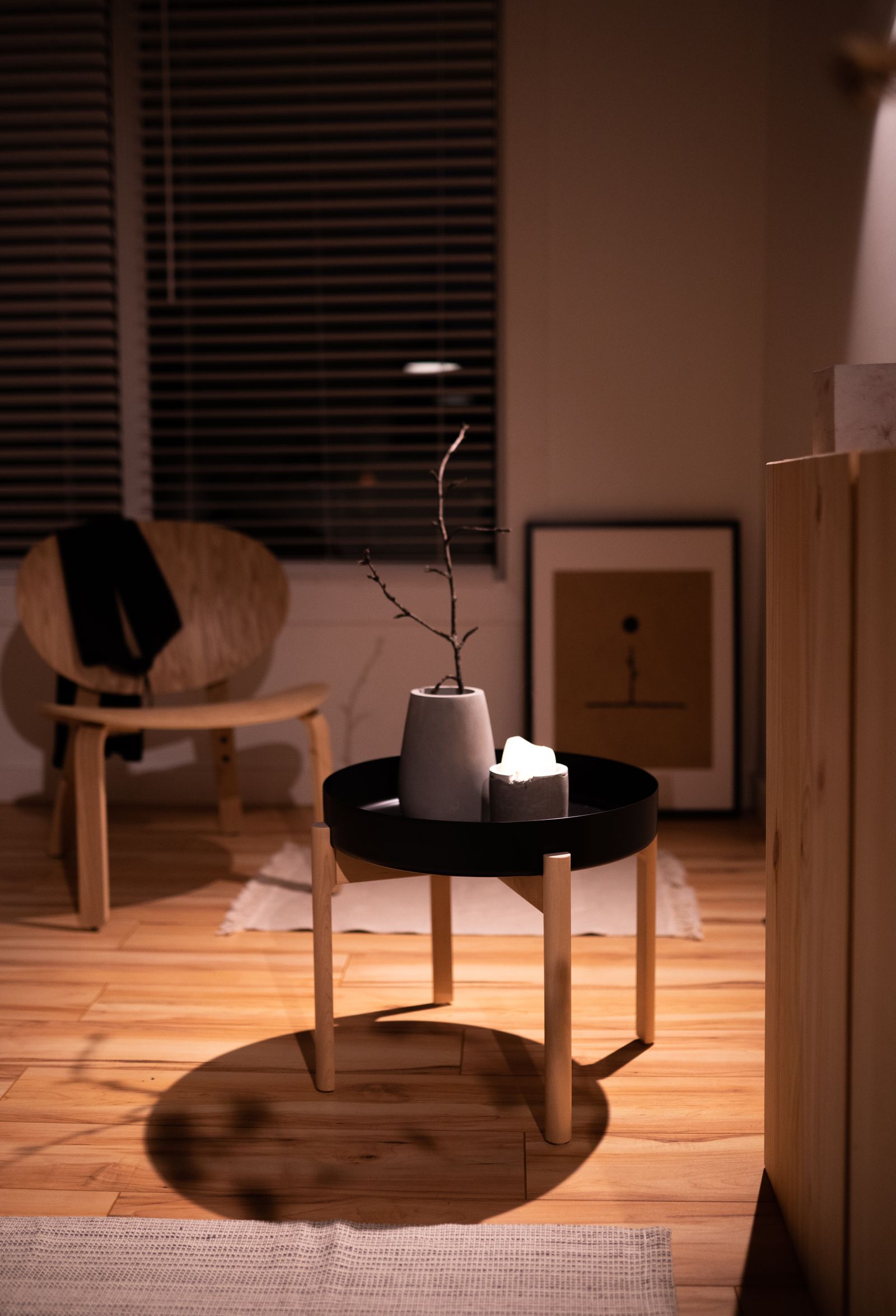
People assume minimalism is about ownership. That the fewer things you have, the more minimal your space. But the most serene, genuinely beautiful rooms of 2026 are proving that the count of objects has almost nothing to do with it. What matters is whether every object in the room has a reason to be there — and whether the space between the objects has been designed as deliberately as the objects themselves.
Minimalist room design 2026 has moved past the punishing aesthetic of the all-white, empty-feeling apartment. The new version is warm. Tactile. Lived in without being cluttered. The kind of room that lowers your heart rate the moment you walk into it, not because it’s stripped bare but because everything in it is exactly right.
Here are 12 ideas that define where minimalist design is going this year, and exactly how to bring each one into a real space.
Why Minimalist Room Design Is Different in 2026
The version of minimalism that dominated the last decade was built on cold grey, stark white, and a kind of architectural severity that looked extraordinary in a magazine and felt deeply uncomfortable to live in. Nobody could actually relax in those rooms.
2026’s answer is Japandi — the design philosophy that fuses Japanese minimalism with Scandinavian warmth, and it has become the signature aesthetic for anyone designing a minimal space this year. According to The Coolist’s 2026 Japandi living room guide, the approach combines clean lines, natural materials, and warm neutrals to create calm, functional interiors that feel disciplined but never cold. Unlike harsher modern minimalism, Japandi softens every edge through natural textures, organic forms, and a color palette that reads as warm rather than clinical.
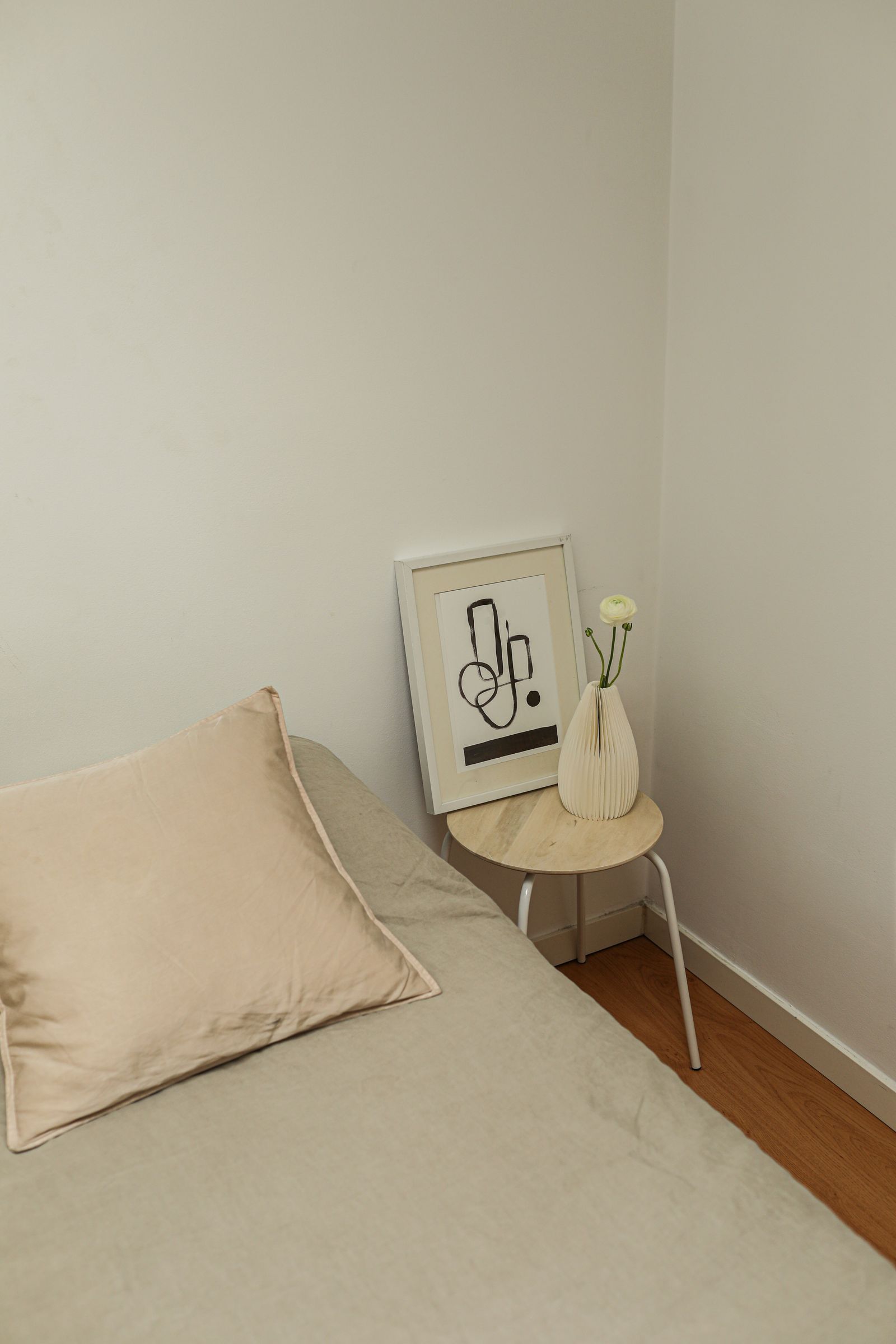
The key 2026 shifts in minimalist room design:
- Greige — warm grey-beige — is the signature wall tone of the year, replacing cool grey and stark white as the minimalist base
- Wabi-sabi is influencing material choices: deliberately imperfect ceramics, uneven linen weaves, and natural wood with visible grain over smooth veneers
- Furniture is getting lower, softer-edged, and more deliberately spaced — the confidence to leave a wall empty rather than fill it
- Color drenching — painting walls, trim, and ceiling in the same hue — is the signature enveloping technique that minimalist spaces have made their own in 2026
12 Minimalist Room Design Ideas Worth Stealing
Each of these addresses a specific problem: a room that feels cold, a room that feels flat, a room with the right bones and the wrong atmosphere. Use the ones that match what your space actually needs.
- Warm Neutral Walls Greige, aged white, soft clay, or warm taupe instead of stark white. The undertone matters: a yellow-based neutral reads warm and calm; a blue-based neutral reads clinical and hollow. Warm minimalism starts with the undertone of every painted surface in the room.
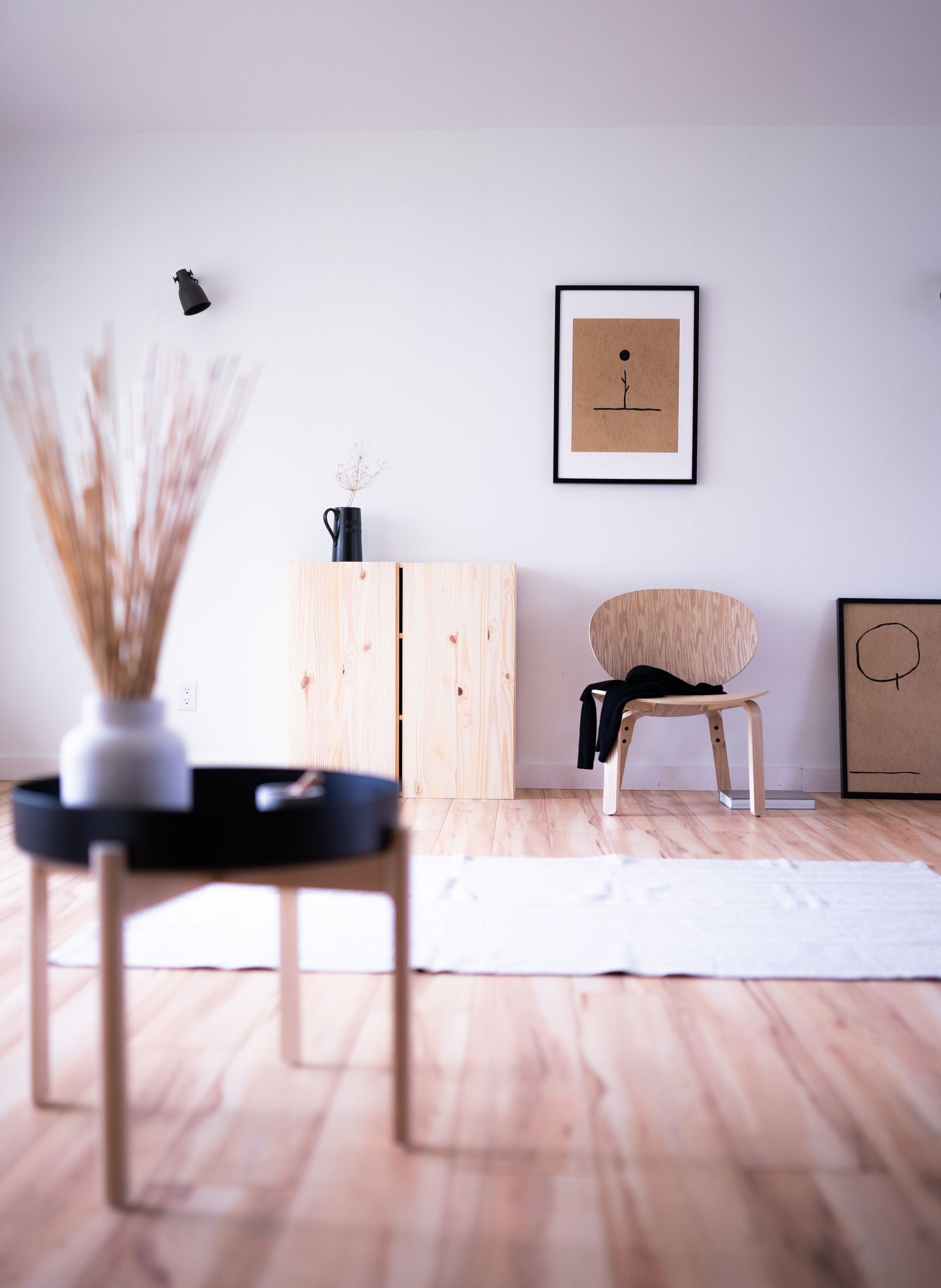
- Japandi Furniture Selection Low-profile pieces in light oak or walnut, clean-lined with slightly softened edges. Avoid matching sets. The Japandi approach combines Japanese precision with Scandinavian practicality — every piece should look considered rather than coordinated from a catalogue page.
- Built-In Hidden Storage Cabinetry that disappears into walls, under-bed drawers, floating shelves with closed lower cabinets. The visual calm of a minimalist room depends entirely on objects having places to go. Without built-in storage, minimalism requires living with almost nothing. With it, it accommodates a completely normal life.
- Soft Curves and Rounded Edges An oval mirror rather than rectangular. A sofa with rounded arms. An arched doorway or arched alcove shelf. Sharp 90-degree angles feel tense in a minimal space; curves feel resolved. This is the single easiest design change when a minimal room feels too rigid or too cold.
-
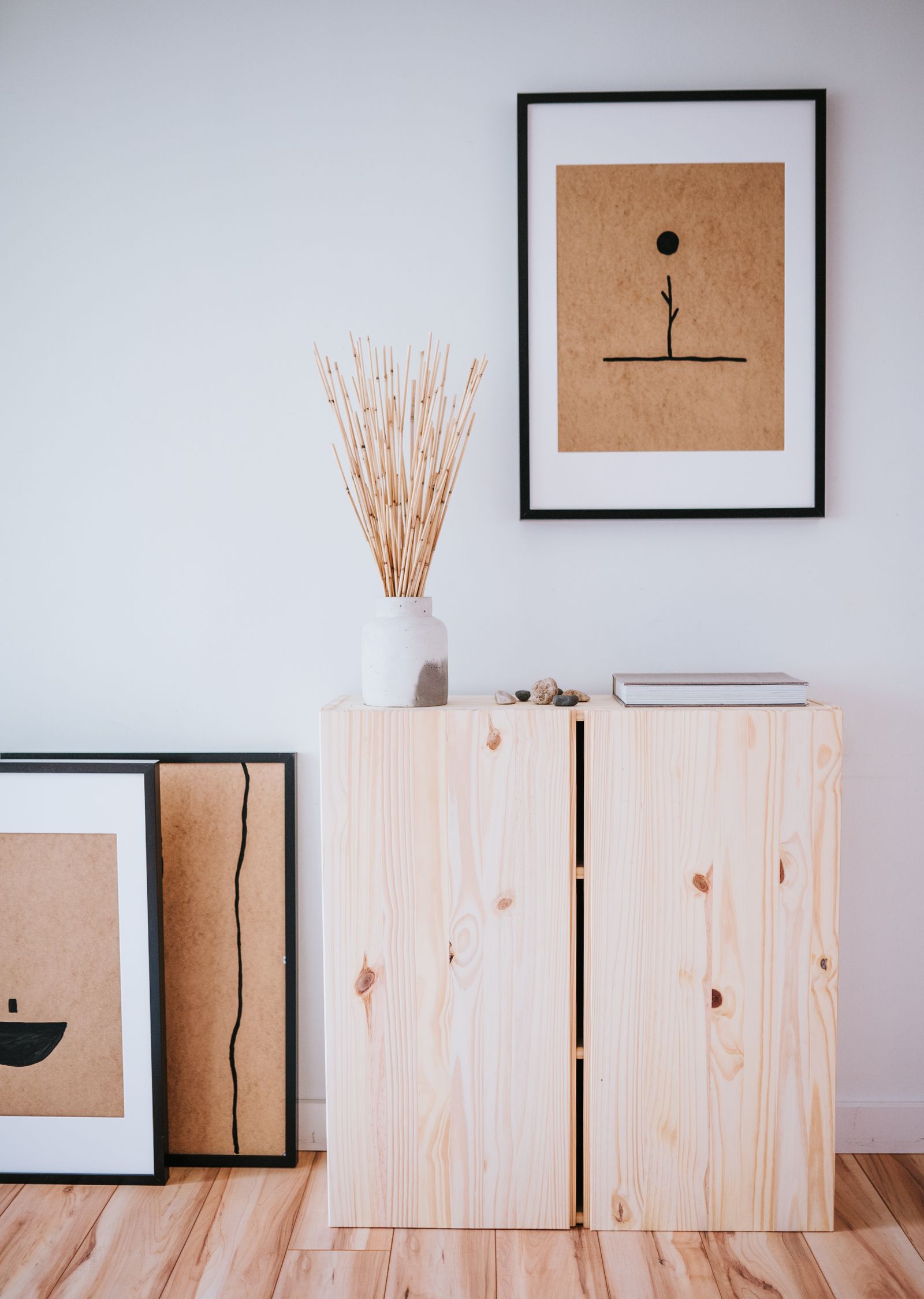
- Natural Textures as the Visual Interest In a low-color room, texture does all the work. Slubbed linen on the sofa. Uneven ceramics on a shelf. A jute rug with visible weave. The grain of a wooden table. None of these require color — they use variation in surface to create depth that keeps the eye interested without creating visual noise.
- Earth Accent Colors One accent color introduced through cushions, a single piece of art, or a plant’s ceramic pot: sage green, dusty blue, warm terracotta, or muted sand. The rule is one accent per room, not one per surface. Three competing accents defeat the entire premise of the space.
- Matte Finishes Throughout Matte paint, matte ceramics, unpolished natural wood. No high-gloss in a 2026 minimalist room. Gloss reflects and multiplies visual information; matte absorbs it. The entire mood difference between a harsh and a serene minimal room is often just finish.
- Light-First Planning Start the room layout from the windows outward. Furniture placement should serve natural light, not compete with it. A minimalist room that gets light right needs very little else to feel good. A minimalist room with poor light needs constant intervention that the aesthetic cannot accommodate.
-
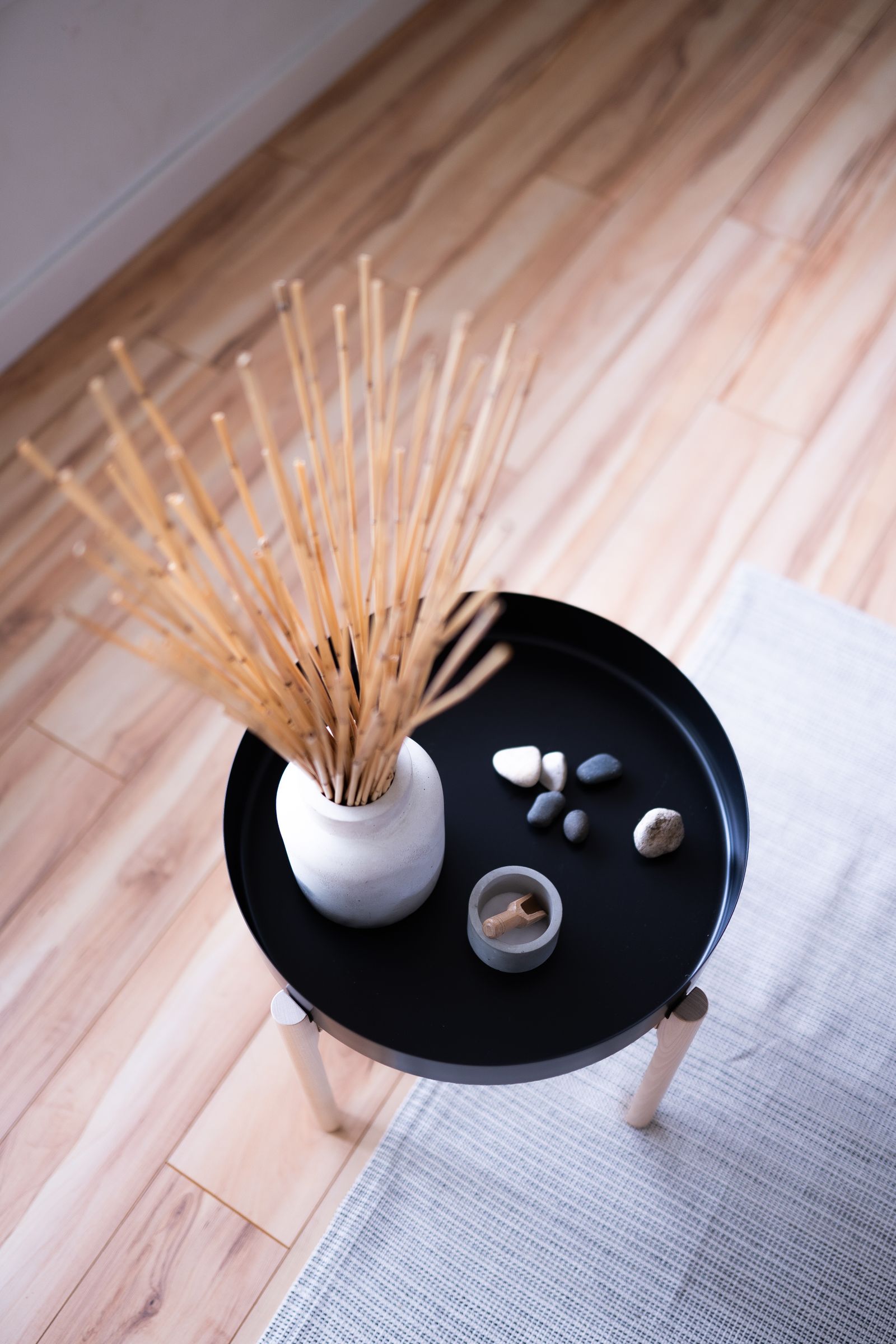
- Color Drenching Choose one hue and apply it to the walls, the trim, and the ceiling in the same shade. The cocooning effect this creates turns an ordinary room into something that feels architecturally intentional. Warm clay drenching. Sage green drenching. The room wraps around you rather than presenting itself to be looked at.
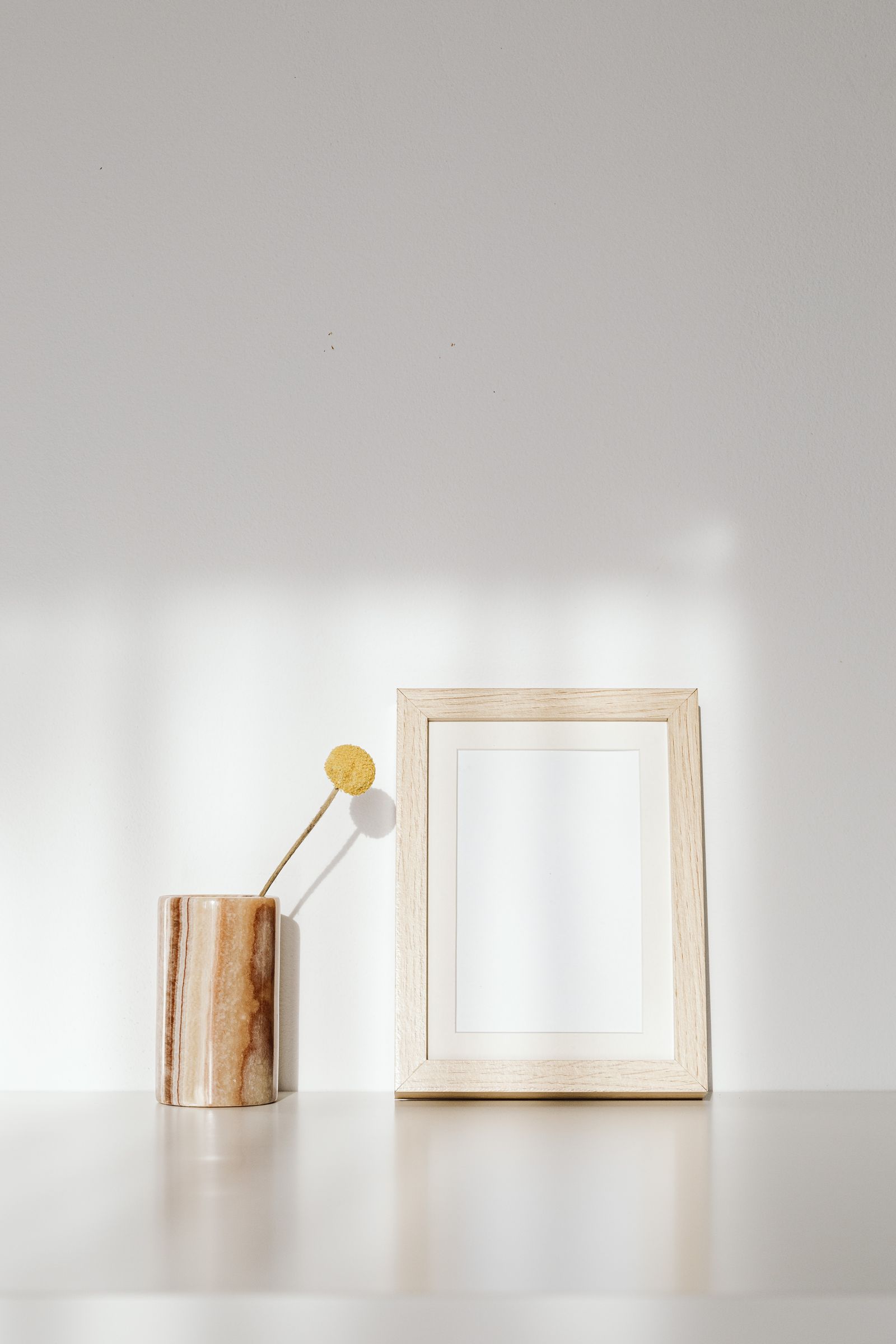
- Intentional Negative Space A wall with one piece of art and genuine breathing room around it. A corner with nothing but a reading lamp. A surface that holds two objects and no more. Negative space is not the absence of design. It is the part of the design that allows everything else to be heard.
- Wabi-Sabi Objects One handmade ceramic bowl with an irregular rim. A linen throw with uneven texture. A wooden shelf with visible knots and grain. Wabi-sabi — the Japanese concept of beauty in imperfection and incompleteness — prevents minimalism from tipping into sterility. The hand-touched and the slightly worn are what make a spare room feel inhabited by an actual person.
-
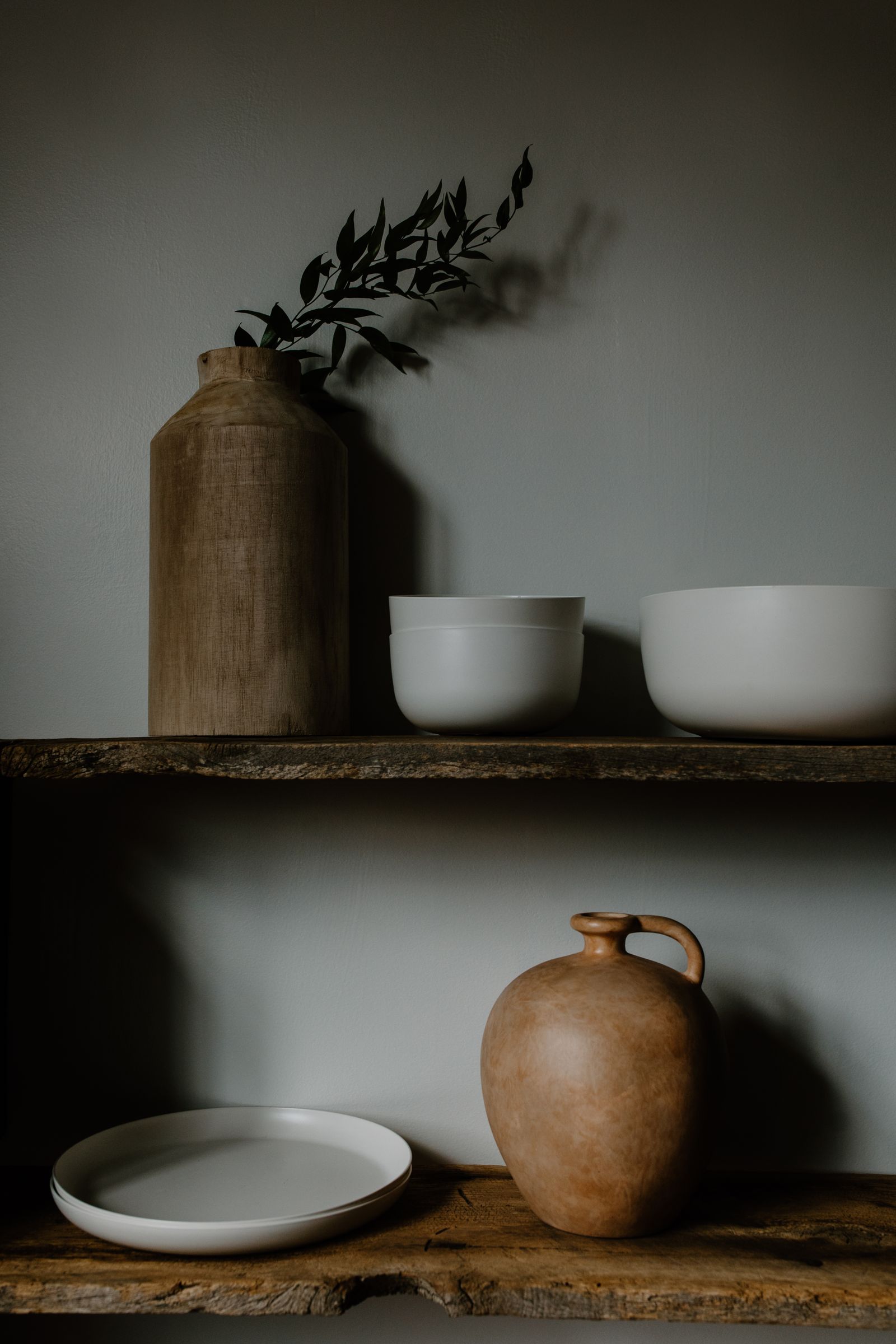
- One Statement Piece Per Room A large-scale art print. An architectural floor lamp. A single dramatic plant. One piece per room earns all the attention; everything else serves it. The hierarchy is the design. When every object competes equally, none of them land with any force.
The 2026 Minimalist Color Palette — What’s In, What’s Out
Color is where the difference between cold minimalism and warm minimalism lives. The wrong palette makes a minimal room feel like a waiting room. The right one makes it feel like the most deliberate corner of the world you’ve been in all week.
A yellow-based neutral reads warm and calm. A blue-based neutral reads clinical and hollow.
What’s in
- Greige — warm grey-beige — as the defining base; a tone that sits between Scandinavian cool and Japanese warmth and holds up in every light condition
- Aged white and soft clay as wall alternates — both have warmth in their undertone; both photograph warmer than they appear in person
- Warm charcoal as an accent color or a drenched second room — the dark, warm version of what grey used to be, and far more liveable
- Sage green, dusty blue, and warm sand as the accent color family — all muted, all nature-derived, all compatible with every base neutral on this list
What’s out
- Cool grey — the dominant shade of early 2020s minimalism, now reading as dated and visually flat
- Stark white with no warm undertone — feels clinical, works directly against the tactile and warm intention of 2026 minimalist design
- Any high-saturation accent in a minimal room — even a single saturated piece pulls the eye so aggressively that the rest of the space cannot rest
The One Rule That Makes Every Minimalist Room Actually Work
Every object in the room must earn its place. Not just avoid being ugly — actively earn it. Beautiful, or functional, or both. If it’s neither, it doesn’t belong there regardless of sentimental value or the fact that it came with the flat.
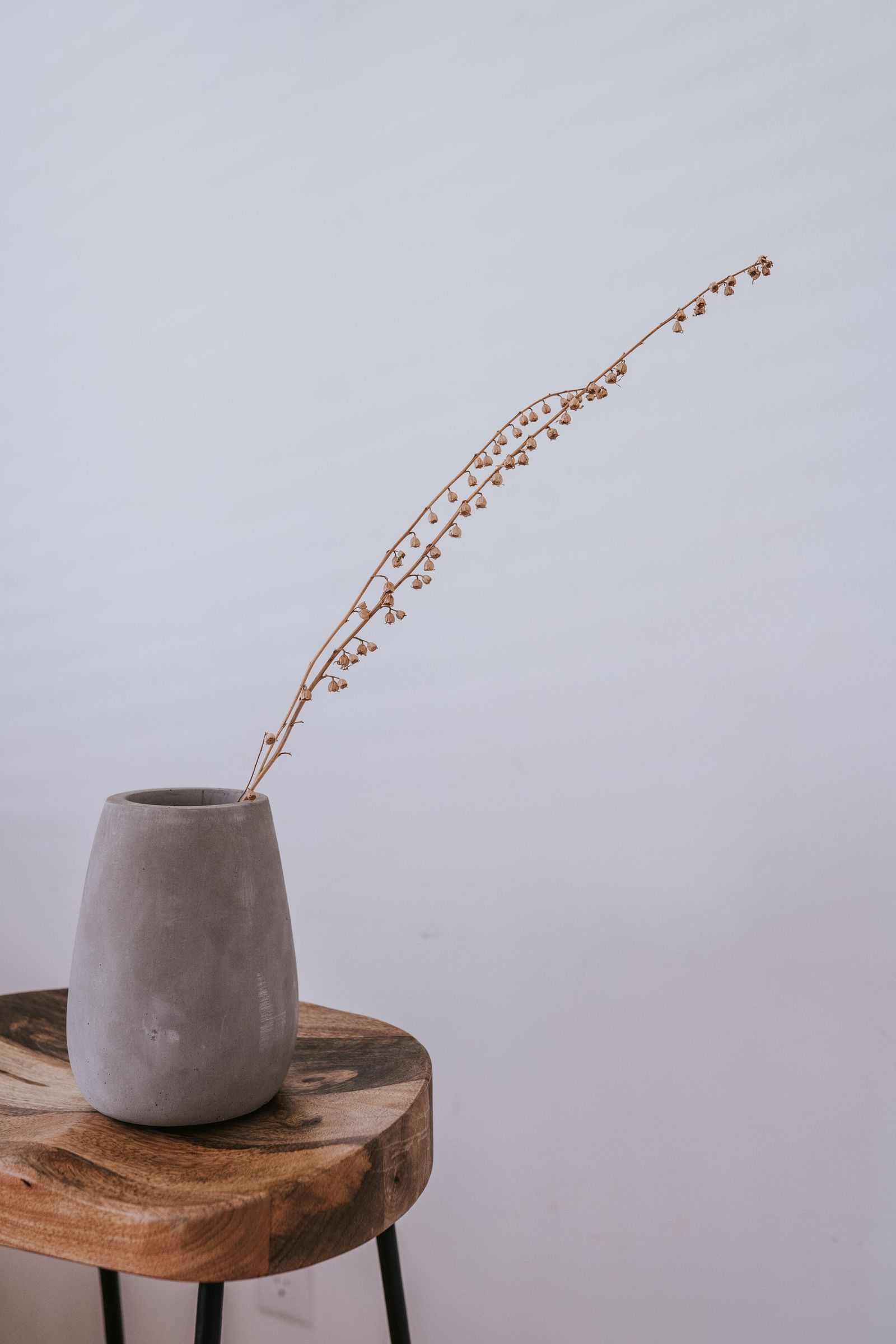
According to Diiiz’s 2026 Japandi interior design guide, the 2026 minimalist approach emphasizes confident editing — fewer pieces chosen with genuine intention, with a commitment to negative space as a design element rather than something to fill. The difference from earlier minimalism is that 2026 editing is warm rather than austere. Objects are removed in service of how the room feels, not to satisfy an aesthetic ideology.
In practice: before buying anything new, remove three things. The room almost always looks better immediately. Then decide whether the new piece actually adds what the room needs before adding it.
For more home design across every aesthetic — including the beautifully maximalist opposite end — the Home section on Can We Talks covers everything from bohemian home decor 2026 to neutral wedding table settings for when the occasion calls for a different kind of considered calm.
The Last Word on Rooms That Breathe
The minimalist rooms worth spending actual time in have one quality in common: they feel like someone thought about them. Not obsessively, not expensively — deliberately. Every piece placed rather than deposited. Every surface allowed to rest between objects. The light considered before the furniture.
That’s achievable in any space, at any budget. It usually requires removing things more than buying them, which is both the secret and the relief.
Pick one idea from this list. Start with what you’d remove. The room will tell you what it needs once the unnecessary things are gone.
Real Talk. Delivered. XOXO